

What Scenarios Are Ideal for Peel & Stick Wallpapers?
Blogs 2025-11-18
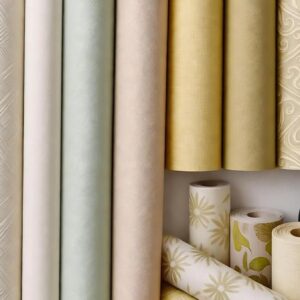
In today’s interior design and digital pritning home decor, “peel and stick wallpaper” has surged in popularity, becoming a go-to solution for both renters and homeowners seeking quick, hassle-free transformations. Customers’ attention to Peel & Stick has been growing rapidly over the past five years. This trend reflects a broader shift toward DIY-friendly, removable wallpaper options that prioritize convenience without sacrificing style or durability. In the field of digital printing decorative substrates, self-adhesive wallcoverings—commonly known as Peel & Stick—are revolutionizing the industry by offering versatile alternatives to traditional wallpapers. These innovative products deliver superior performance advantages, including exceptional durability for long-lasting applications, time-saving installation through simple peel-and-apply mechanics that enable quick renovations and replacement-friendly removal without surface damage, enhanced environmental compliance such as REACH standards and low-VOC emissions for safer indoor use, and versatile compatibility with various inks (Latex, UV/Uvgel, Eco-solvent) for high-quality custom prints. Additionally, their cost-effectiveness shines through budget-friendly pricing, lightweight construction option that reduces shipping expenses, and elimination of professional installation fees, making them an economical choice for both commercial and residential projects.
In this comprehensive blog post, we’ll dive deep into the world of peel and stick wallpapers. We’ll explore what exactly peel and stick technology entails, its various classifications based on materials, the logical steps for installation and use, the types of wall surfaces it’s best suited for, and its standout advantages over conventional wallcoverings. Drawing from industry insights and GESO’s specialized product lineup—including PVC-based Wallvinyl, fabric-based Walltex, and paper-based Wallpaper series—we’ll highlight why peel and stick options are ideal for specific scenarios in both commercial and residential settings. Whether you’re a designer, contractor, or DIY enthusiast searching for “best peel and stick wallpaper” ideas, this guide will equip you with the knowledge to make informed choices.
Understanding Peel and Stick Wallpapers: A Professional Overview
Peel and stick wallpaper, also known as self-adhesive wallpaper, represents a modern innovation in the decorative substrate sector. At its core, this technology integrates a pressure-sensitive adhesive backing directly onto the wallpaper material, eliminating the need for traditional paste, glue, or professional installation tools. Unlike conventional wallpapers that require messy adhesives and often result in permanent bonds, peel and stick variants allow users to simply peel off a protective liner and stick the material directly to the surface.
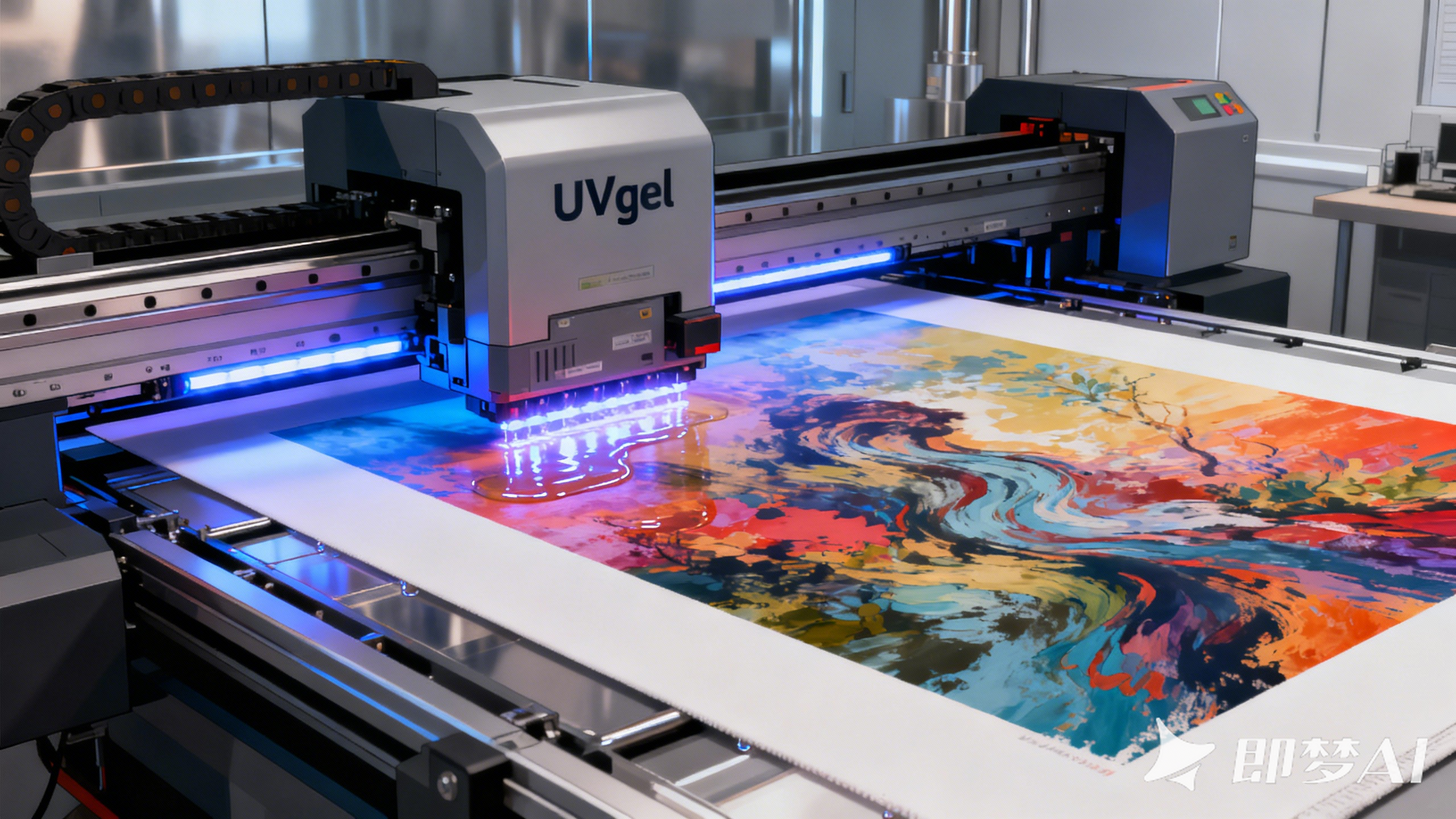
From a materials science perspective, peel and stick wallpapers leverage advanced adhesive formulations—typically acrylic-based—that provide strong initial tack while remaining repositionable during application. This ensures a bubble-free, seamless finish without the curing time associated with adhesives. In the digital printing realm, these substrates are engineered for compatibility with various inks, such as eco-solvent, UV/UVgel, and latex, enabling high-resolution custom designs that cater to personalized aesthetics.
The rise of peel and stick wallpaper aligns with broader consumer demands for sustainability and ease, underscoring its appeal in a fast-paced, mobile society where people frequently relocate or refresh spaces.
Classifications of Peel and Stick Wallpapers
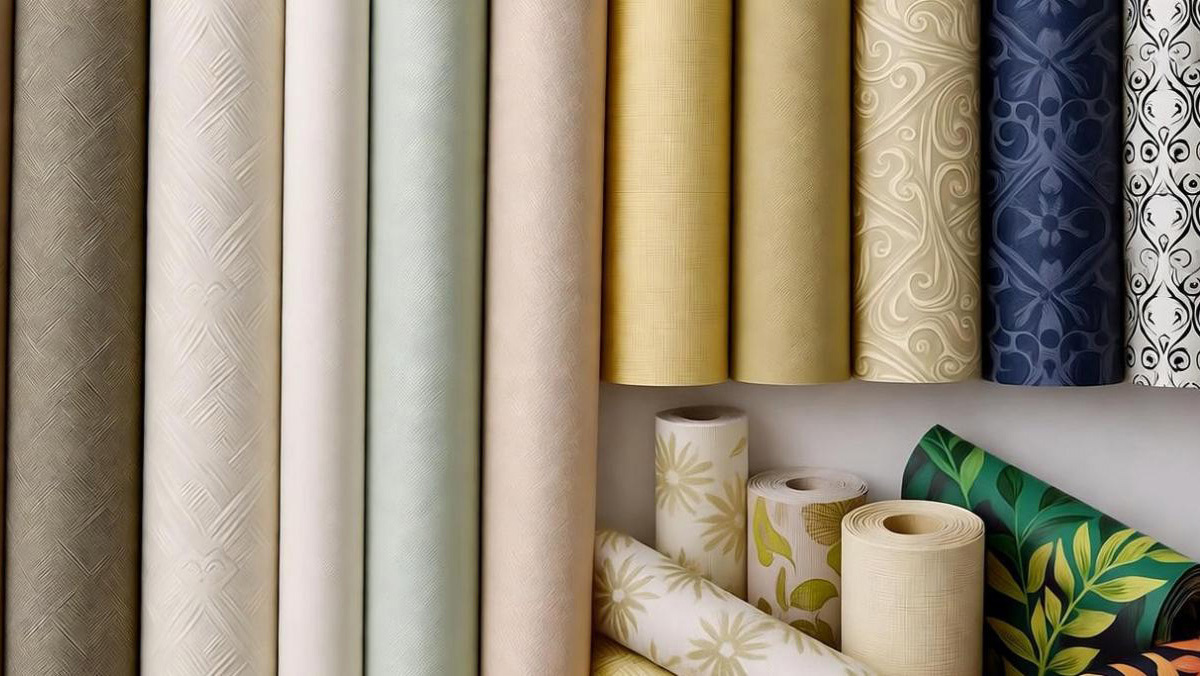
Peel and stick wallpapers aren’t one-size-fits-all; they come in diverse classifications based on base materials, each offering unique properties tailored to different applications. At GESO, this variety is exemplified with peel and stick options integrated across PVC, fabric, and paper categories. These classifications leverage advancements in digital printing substrates, ensuring compatibility with inks like eco-solvent, UV/UVgel, and latex for customizable, high-resolution designs. Below, each category is explored in detail, focusing on sustainability, performance advantages, and cost-effectiveness, drawing from industry standards such as REACH compliance and VOC emission controls.
1. Vinyl-Based Peel and Stick (Wallvinyl Series)
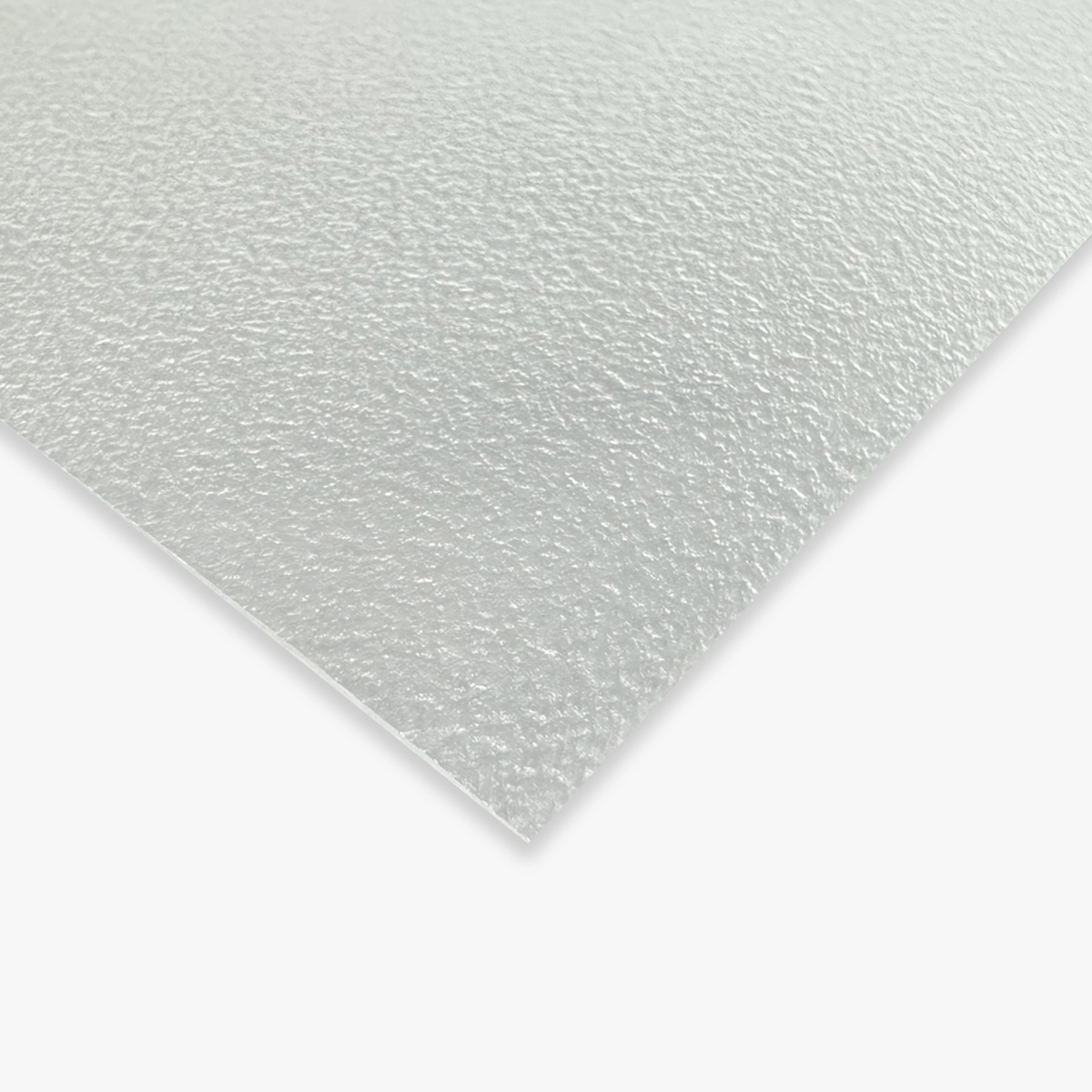
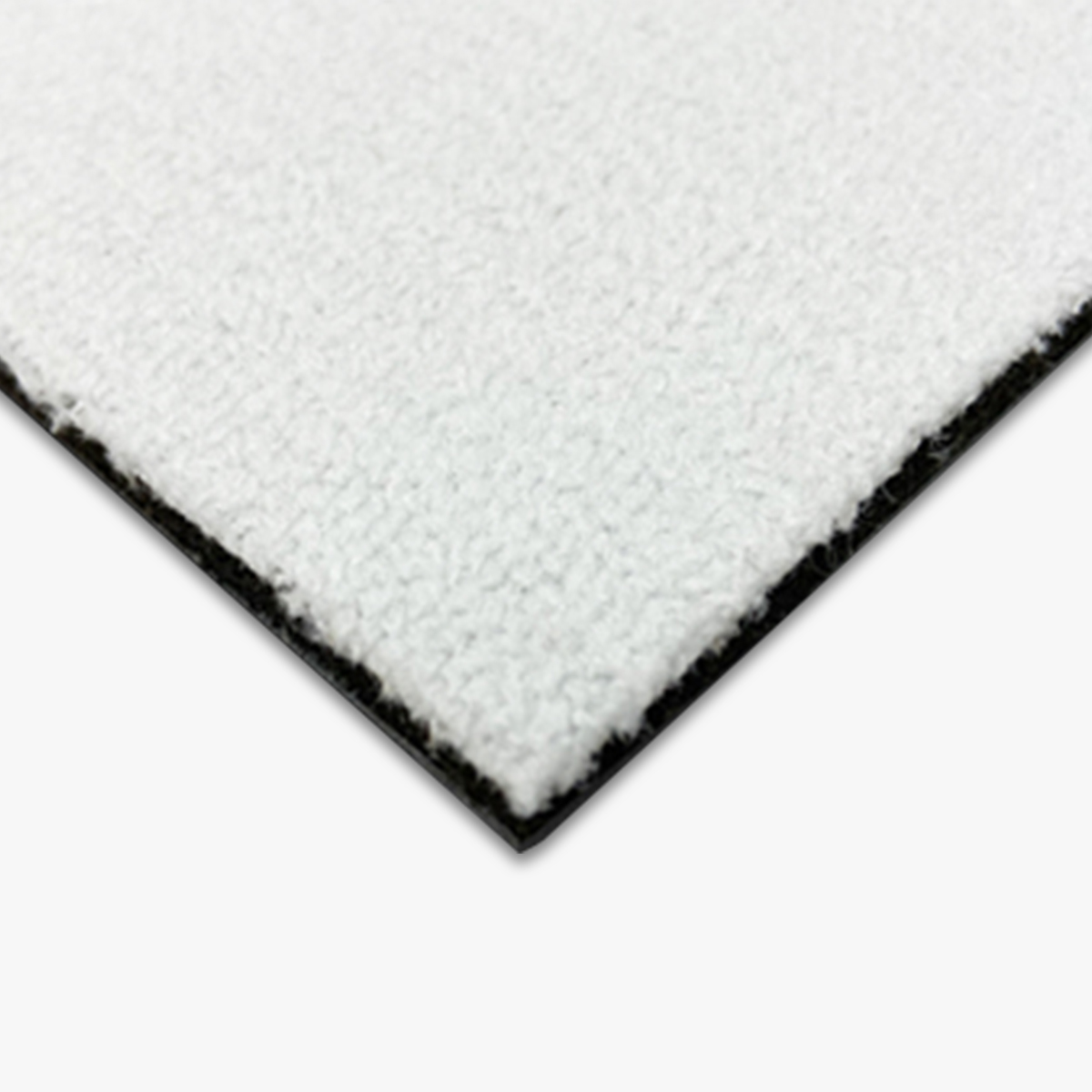
Vinyl peel and stick wallcoverings, such as the GWV-010PS and GWV-011PS,integrate a vinyl layer with a pressure-sensitive adhesive backing. This construction provides a resilient, waterproof barrier well-suited for demanding environments. Vinyl substrates dominate commercial applications due to their robustness, making them a staple in high-traffic spaces like hotels and retail shops.
- Sustainability: Vinyl-based options prioritize environmental safety through REACH compliance, which regulates hazardous substances in the EU and aligns with global standards for chemical safety. These wallcoverings feature low-VOC emissions, contributing to improved indoor air quality by minimizing off-gassing of volatile organic compounds. While vinyl inherently involves PVC, modern formulations incorporate phthalate-free plasticizers to reduce environmental impact. Industry reports highlight that such advancements lower the carbon footprint compared to traditional vinyl wallpapers, supporting circular economy principles in decorative substrates.
- Performance Advantages: Durability stands out as a key strength, with vinyl resisting scratches, tears, and moisture
,often lasting 5-10 years in commercial settings. The adhesive backing enables time-saving peel-and-stick installation, allowing repositioning without bubbles or wrinkles, and easy removal without wall damage. Enhanced ink compatibility ensures vibrant, fade-resistant prints, while various textures—such as embossed or fabric-mimicking finishes—add dimensional appeal. In high-humidity areas like bathrooms or kitchens, vinyl’s waterproof nature prevents peeling or mold growth. - Cost-Effectiveness: These wallcoverings offer budget-friendly pricing, making them accessible for large-scale projects. The elimination of professional installation fees—thanks to DIY-friendly application—can save up to 50% on labor costs compared to pasted wallpapers. Lightweight construction reduces shipping expenses, and their durability minimizes replacement frequency, providing long-term value. For businesses, this translates to quick renovations with minimal downtime, enhancing ROI in competitive markets like retail where frequent aesthetic updates are needed.
2. Fabric-Based Peel and Stick (Walltex Series)
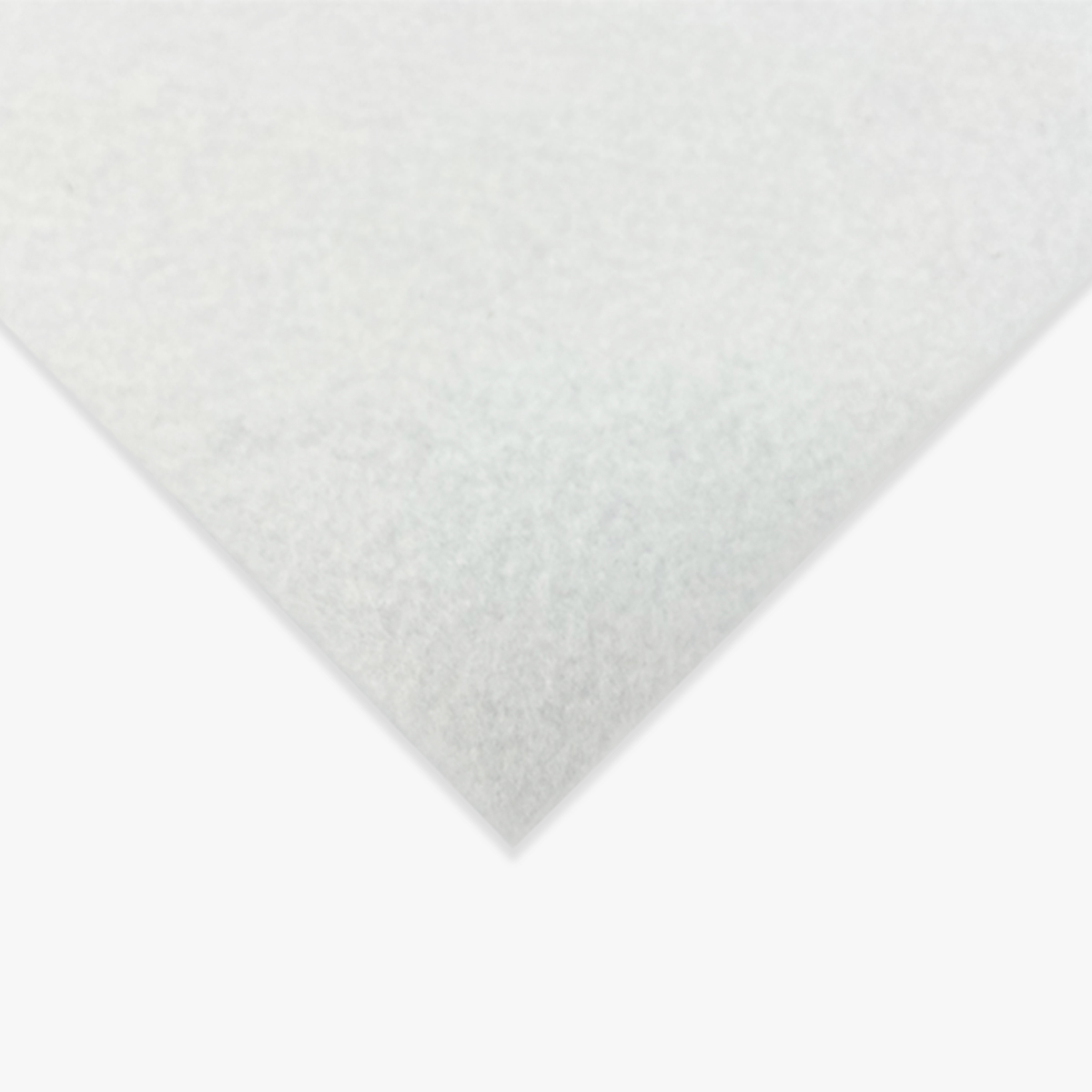
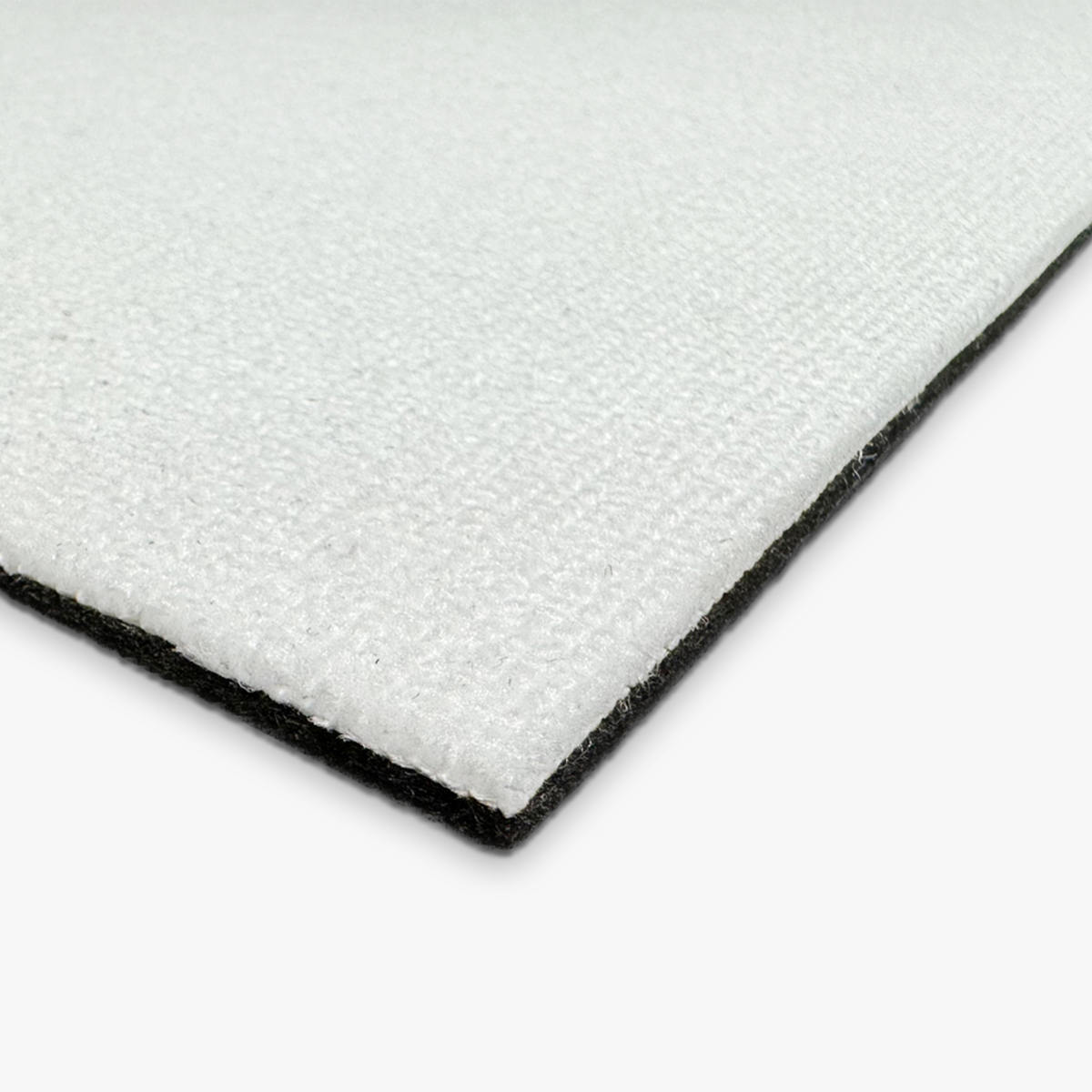
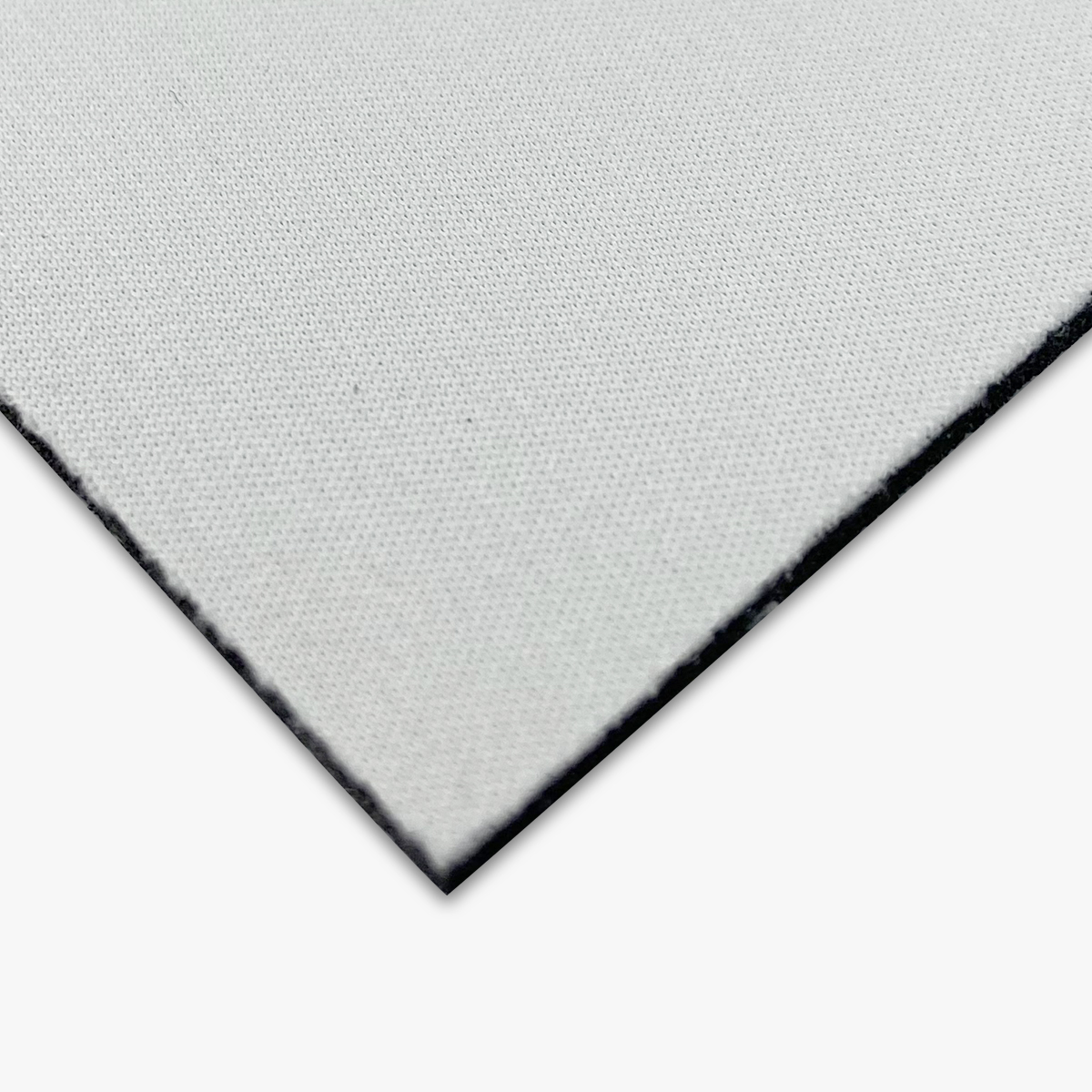
Fabric peel and stick wallcoverings, exemplified by the GWF-131PS, utilize a textile base enhanced with protective coatings and adhesive or hydrogel backings. This category emphasizes eco-conscious design, with PVC-free compositions that appeal to sustainability-focused consumers. Available in wide formats up to 3.2 meters, these substrates facilitate seamless installations ideal for expansive murals or commercial displays.
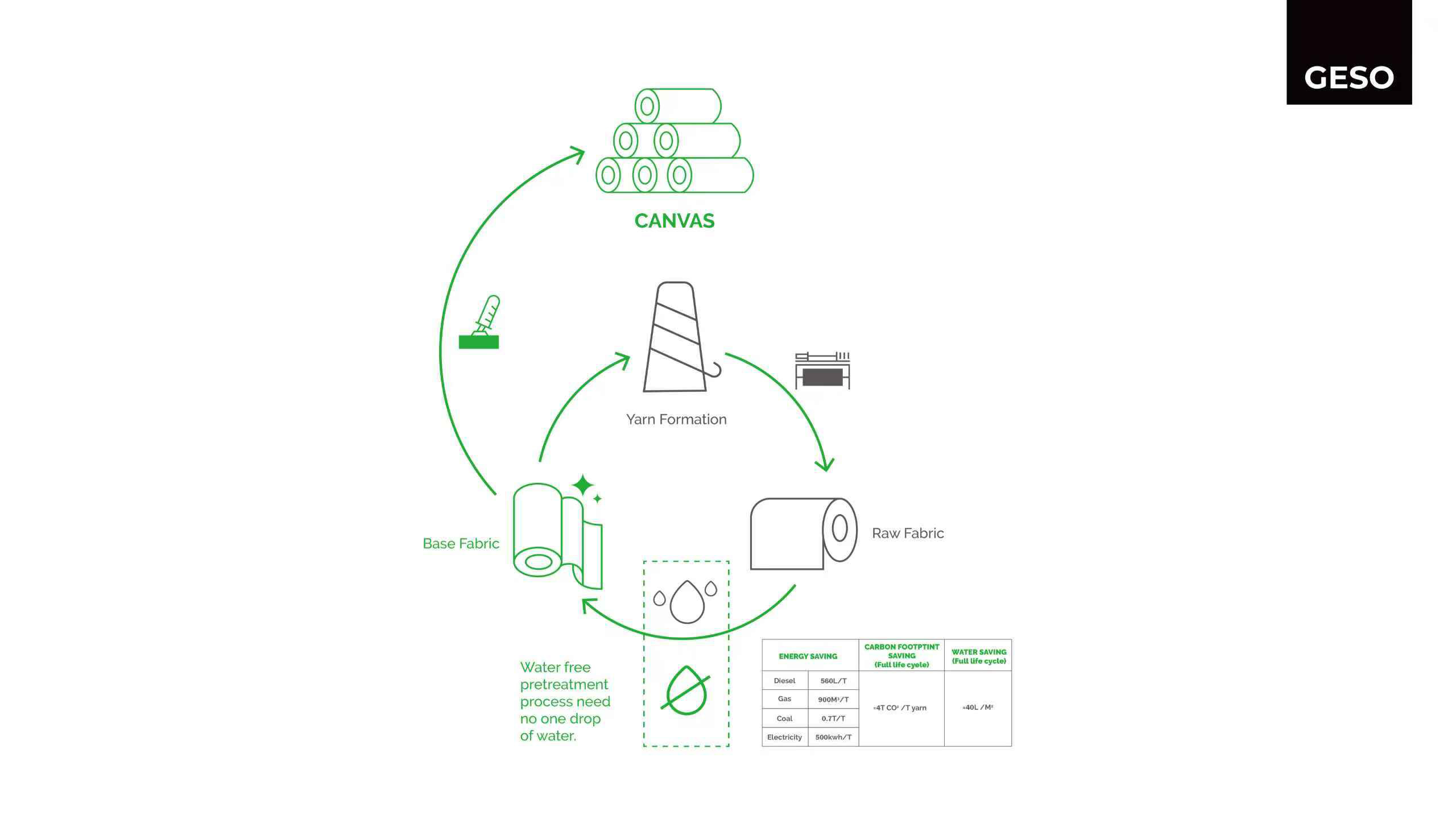
- Sustainability: As PVC-free alternatives, fabric-based wallcoverings eliminate non-plasticizer pollution, reducing the release of harmful chemicals during production and use. They often incorporate recycled yarn, aligning with certifications like GRS (Globle Recycled Stadard) for responsible sourcing. Low-VOC and non-toxic adhesives further enhance environmental friendliness. According to industry analyses, fabric options can reduce the ecological footprint a lot compared to vinyl, as they support water-based ink printing, which minimizes solvent emissions.
- Performance Advantages: High opacity ensures excellent coverage over imperfections, while the textile structure provides superior dimensional stability, preventing shrinkage or expansion in varying temperatures. Durability is bolstered by coatings that resist fading and abrasion. The peel-and-stick mechanism enables quick renovations and replacement-friendly removal, ideal for temporary setups. Wide widths maximize printing efficiency in digital workflows, reducing seams and waste, and the lightweight nature aids in handling and application.
- Cost-Effectiveness: Lightweight materials significantly cut shipping costs, especially for international distribution compared to heavier substrates. Budget-friendly pricing, combined with efficient widths that minimize material waste during printing, enhances overall economy. The DIY installation eliminates the need for specialized tools or contractors, further reducing expenses. For eco-conscious projects, the long-term savings from durability and reusability—such as repositioning panels—make fabric a smart investment, particularly in residential renovations where frequent style changes occur without high replacement costs.
3. Paper-Based Peel and Stick (Wallpaper Series)
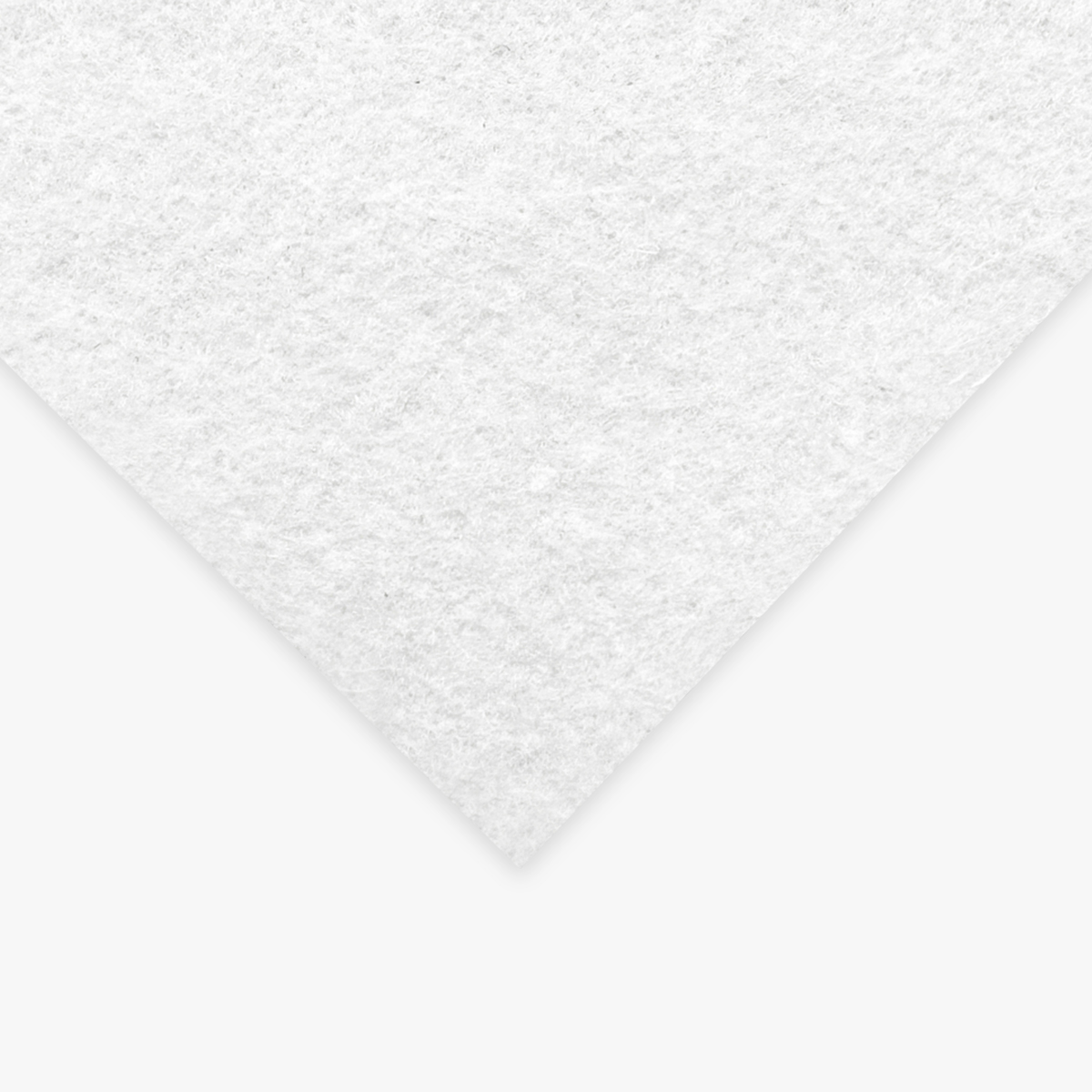
Paper peel and stick options, like the GWP-001PS, feature a coated paper base paired with adhesive layers. This classification focuses on affordability and simplicity, making it a go-to for residential applications where environmental considerations and ease of use are paramount.
- Sustainability: Paper-based wallcoverings excel in eco-friendliness, often derived from recycled or FSC-certified pulp, which supports forest conservation and reduces deforestation. PVC-free and solvent-free adhesives minimize environmental harm, with low-VOC emissions ensuring safer indoor spaces. The biodegradable nature of paper allows for easier end-of-life disposal, contributing to a lower carbon footprint.
- Performance Advantages: While lighter than vinyl or fabric, paper offers reliable durability for low-traffic areas, with coatings providing resistance to minor scuffs and fading. The adhesive backing facilitates time-saving installation—peel-and-stick for smooth surfaces for versatility—allowing quick, bubble-free application and damage-free removal. Ink compatibility supports sharp, customizable prints, and the breathable structure prevents moisture trapping, reducing mold risks in bedrooms or dining rooms.
- Cost-Effectiveness: As one of the most budget-friendly options, paper peel and stick is ideal for cost-sensitive projects. Lightweight design slashes shipping fees, and the absence of professional installation requirements can cut total costs versus traditional pasted wallpapers. Its affordability doesn’t compromise quality for short-term applications, offering excellent value for renters or seasonal updates. In educational or library settings, the low price enables frequent refreshes, maximizing budget efficiency while maintaining aesthetic appeal.
The Usage Logic of Peel and Stick Wallcoverings
Installing peel and stick wallpaper follows a straightforward, logical process that democratizes wall decoration, making it accessible even for novices. Here’s a step-by-step breakdown grounded in industry best practices:
- Preparation: Start by cleaning the target surface to remove dust, grease, or imperfections. Measure and cut the wallcovering panels to size, allowing for overlaps if needed. For hydrogel variants, prepare a spray bottle with water.
- Peeling and Positioning: Gently peel back a portion of the liner and align the top edge with your marked level line. Use a squeegee or soft cloth to smooth out air bubbles as you gradually peel more liner.
- Adhesion and Adjustment: The adhesive’s repositionable nature allows for corrections—simply lift and reapply if misaligned.
- Finishing: Trim excess with a utility knife, and seal edges if in humid areas. Removal is equally simple: Start from a corner and peel slowly at a 180-degree angle, leaving no residue.
This logic emphasizes “time-saving” benefits, as noted in our product value creation maps. Unlike traditional wallpapers requiring drying time (often 24-48 hours), peel and stick enables same-day transformations. It’s particularly logical for temporary setups, where reversibility is key—ideal for renters avoiding lease violations.
Suitable Wall Surfaces for Peel and Stick
Not all walls are created equal, and peel and stick wallcoverings shine on specific surfaces. Based on our surface application guidelines, here’s what works best:
- Smooth Walls: Highly recommended across all classifications. Ideal for painted drywall or primed surfaces, ensuring maximum adhesion.
- Slightly Textured Walls: Fabric and paper variants with adhesive excel here, as the flexible backing conforms better than rigid vinyl.
- Rough Walls: Vinyl and fabric adhesives handle moderate roughness.
- Specialized Areas:
- Kitchen and Bathroom: Vinyl for moisture resistance
- Ceiling and Woodwork: Fabric adhesives for overhead applications; avoid on metal or balconies unless specified.
For optimal results, always test a small area. This compatibility makes peel and stick a top search for “wallpaper for textured walls”
Advantages of Peel and Stick Over Traditional Wallpapers
Compared to ordinary market wallcoverings that rely on paste or professional installation, peel and stick offers compelling edges:
- Time and Labor Savings: Traditional methods involve mixing glue, waiting for tackiness, and dealing with mess—often taking days. Peel and stick? Minutes per panel, with no drying time. Our value creation data highlights “quick renovation” and “replacement friendly” aspects.
- Ease of Installation and Removal: No tools beyond a squeegee needed, and removal is damage-free—perfect for “removable wallpaper for renters” trends.
- Durability and Versatility: Vinyl options provide REACH-compliant, low-VOC and durability; fabric adds PVC-free opacity and seamless widths; paper offers budget eco-friendliness.
- Environmental Benefits: PVC-free options reduce plasticizer pollution, aligning with “eco-friendly peel and stick wallpaper” searches.
- Cost-Effectiveness: Lower shipping (lightweight) and no pro fees make it budget-friendly, especially for digital printing customizations.
- Customization Potential: Ink compatibility ensures vibrant, personalized designs unattainable with off-the-shelf traditional papers.
Ideal Scenarios for Peel and Stick Wallcoverings
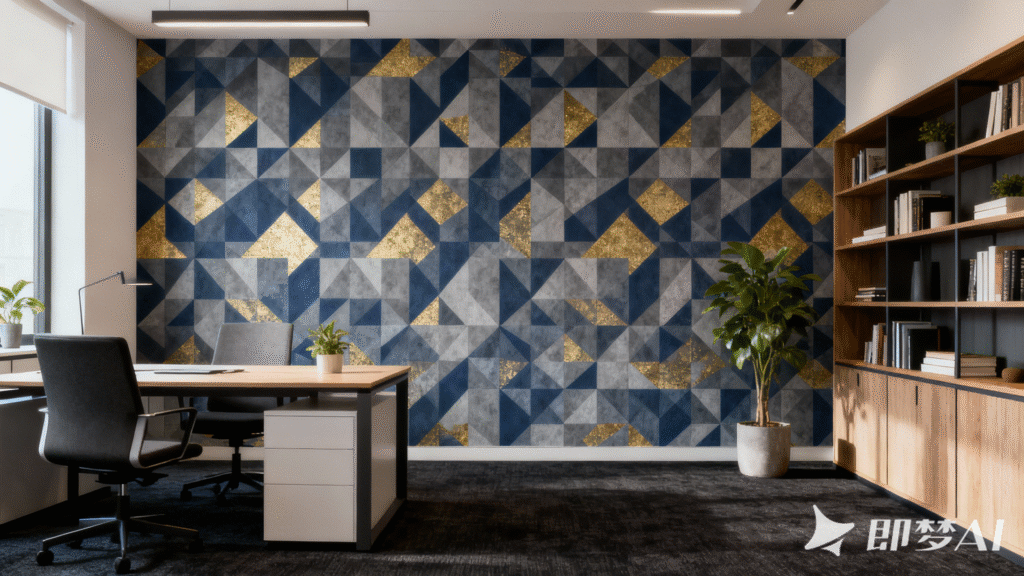
Peel and stick’s versatility shines in targeted scenarios, as mapped in our product overview:
Commercial Grade Applications
For businesses, durability and quick turnaround are paramount:
- Hotels and Restaurants: Vinyl peel and stick (e.g., GWV-010) for high-traffic walls, offering easy updates to match seasonal themes without downtime.
- Retail Shops and Museums: Fabric variants (GWF-131) provide seamless, high-opacity coverage for immersive displays, with repositionability for exhibit changes.
- Theaters: Vinyl for textured, durable backdrops that handle lighting and acoustics.
These scenarios leverage “commercial peel and stick wallcovering” trends for cost-effective branding.
Residential Grade Applications
In homes, convenience and personalization rule:
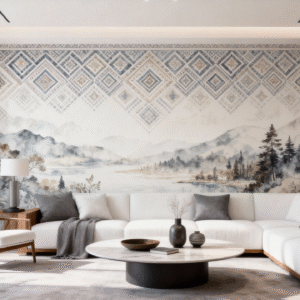
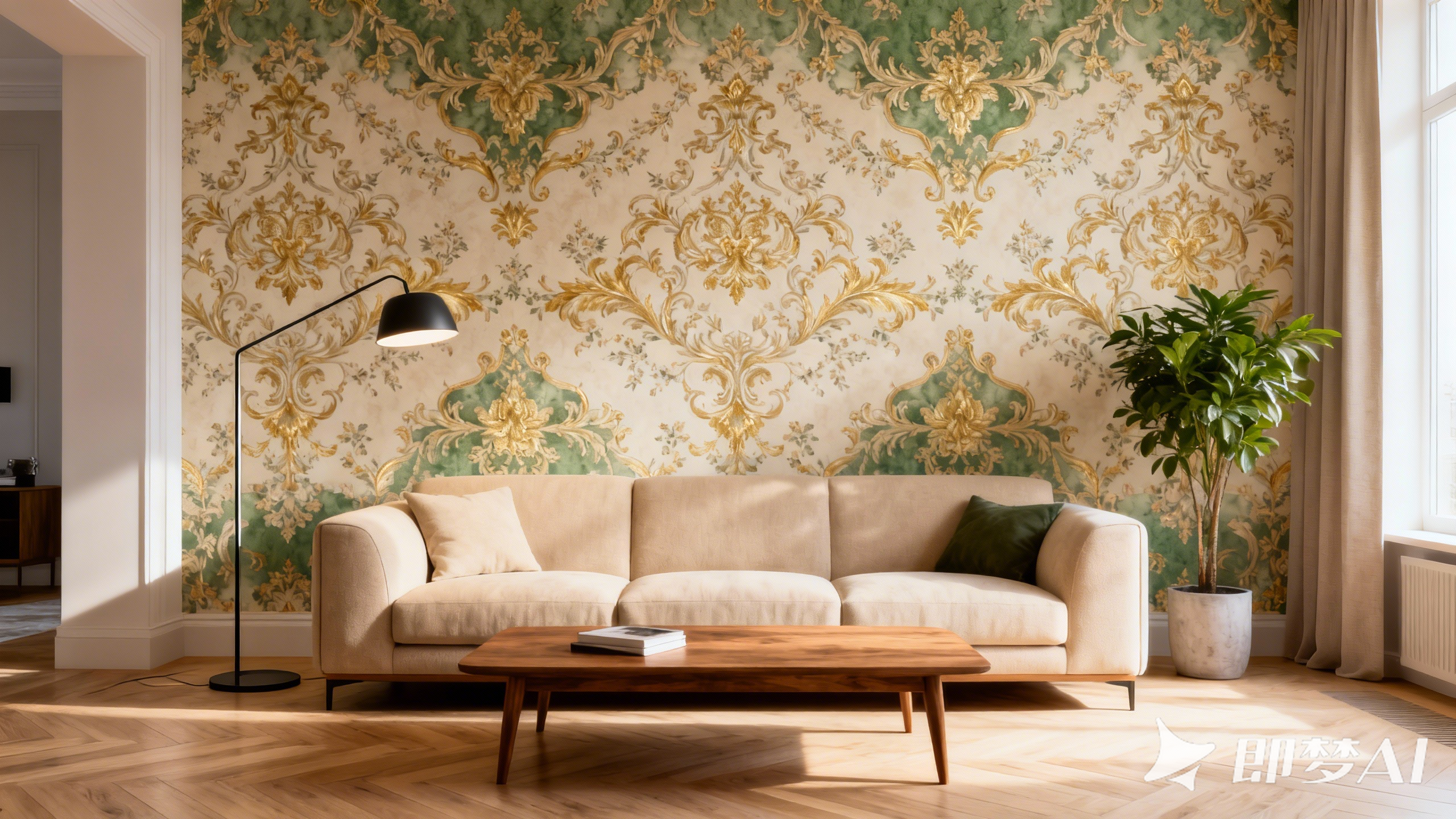
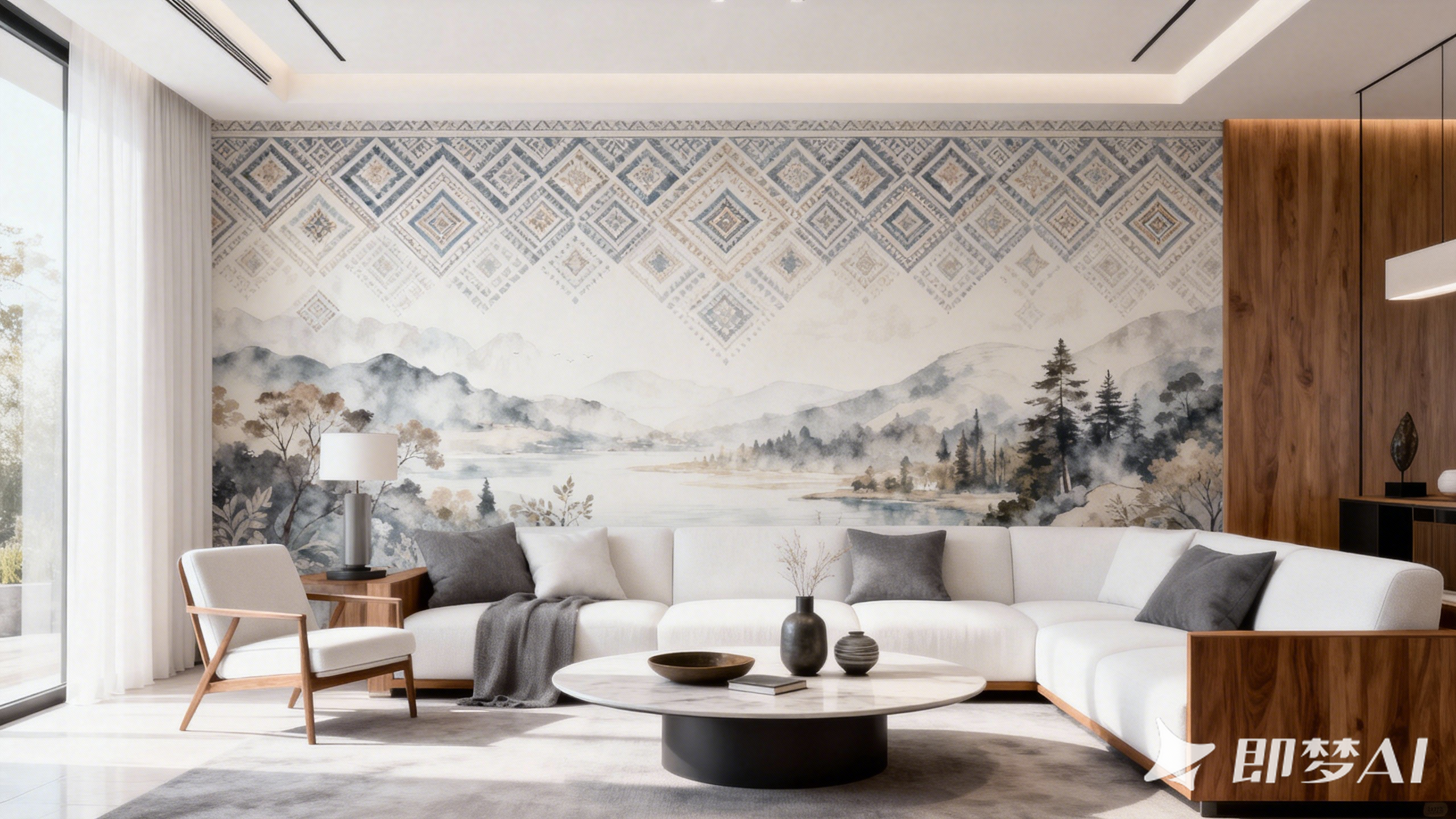
- Bedrooms and Living Rooms: Fabric Peel & Stick for quick installation, ideal for renters or frequent redecorators.
- Bathrooms: Vinyl adhesives for moisture-resistant accents, transforming bland tiles without renovation hassles.
- Dining Rooms: Paper&Fabric peel and stick for affordable, environment-friendly patterns that enhance family gatherings.
Conclusion: Embrace the Peel and Stick Revolution
Peel and stick wallcoverings aren’t just a trend—they’re a practical evolution in decorative substrates, offering unmatched convenience, durability, and versatility. Whether you’re outfitting a bustling hotel lobby with vinyl durability or refreshing a cozy bedroom with fabric ease, these self-adhesive options cater to diverse needs while outperforming traditional alternatives.
If you’re ready to explore our Wallvinyl, Walltex, or Wallpaper peel & stick lines, visit our site for samples or custom printing consultations. Transform your space today—because with peel and stick, change is as easy as peel, stick, and enjoy.