








What Makes a Canvas Truly Eco-Friendly?
Blogs 2024-03-06
In the world of digital printing canvas, sustainability has become more than just a buzzword—it’s a necessity. As artists, designers, and consumers increasingly prioritize eco-conscious choices, understanding what constitutes a truly environmental canvas is crucial. This blog explores the multi-dimensional aspects of sustainability in canvas production, from materials like recycled yarn canvas to manufacturing processes and life-cycle impacts. By focusing on these elements, we can identify canvases that minimize environmental harm while delivering high-quality results for digital printing applications.
The Importance of Eco-Friendly Canvases
The canvas industry, intertwined with digital printing, has a significant environmental footprint due to material sourcing, energy-intensive printing processes, and packaging waste. Traditional canvases often rely on virgin polyester or cotton along with solvent-based inks printing, which can contribute to resource depletion and pollution. Eco-friendly canvases address these issues by prioritizing sustainability at every stage of their lifecycle, from raw materials to final delivery. By choosing sustainable options, consumers and businesses can reduce waste, lower carbon emissions, and support a healthier planet.
The Role of Sustainable Materials in Environmental Canvas
The foundation of any environmental canvas lies in its materials. Traditional canvases often rely on synthetic fibers or virgin cotton derived from petroleum, which contribute to resource depletion and pollution. In contrast, sustainable options prioritize recycled or renewable sources.
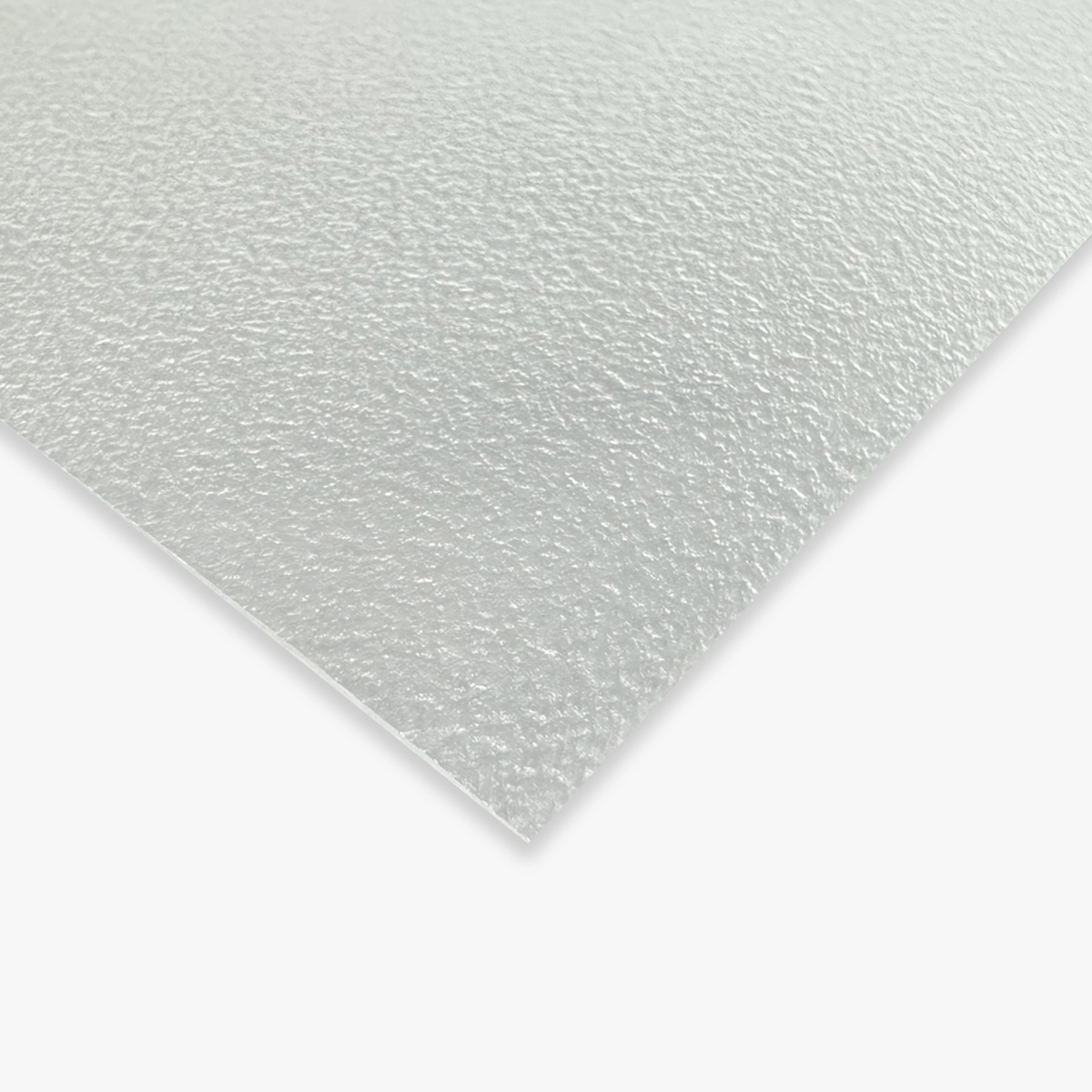
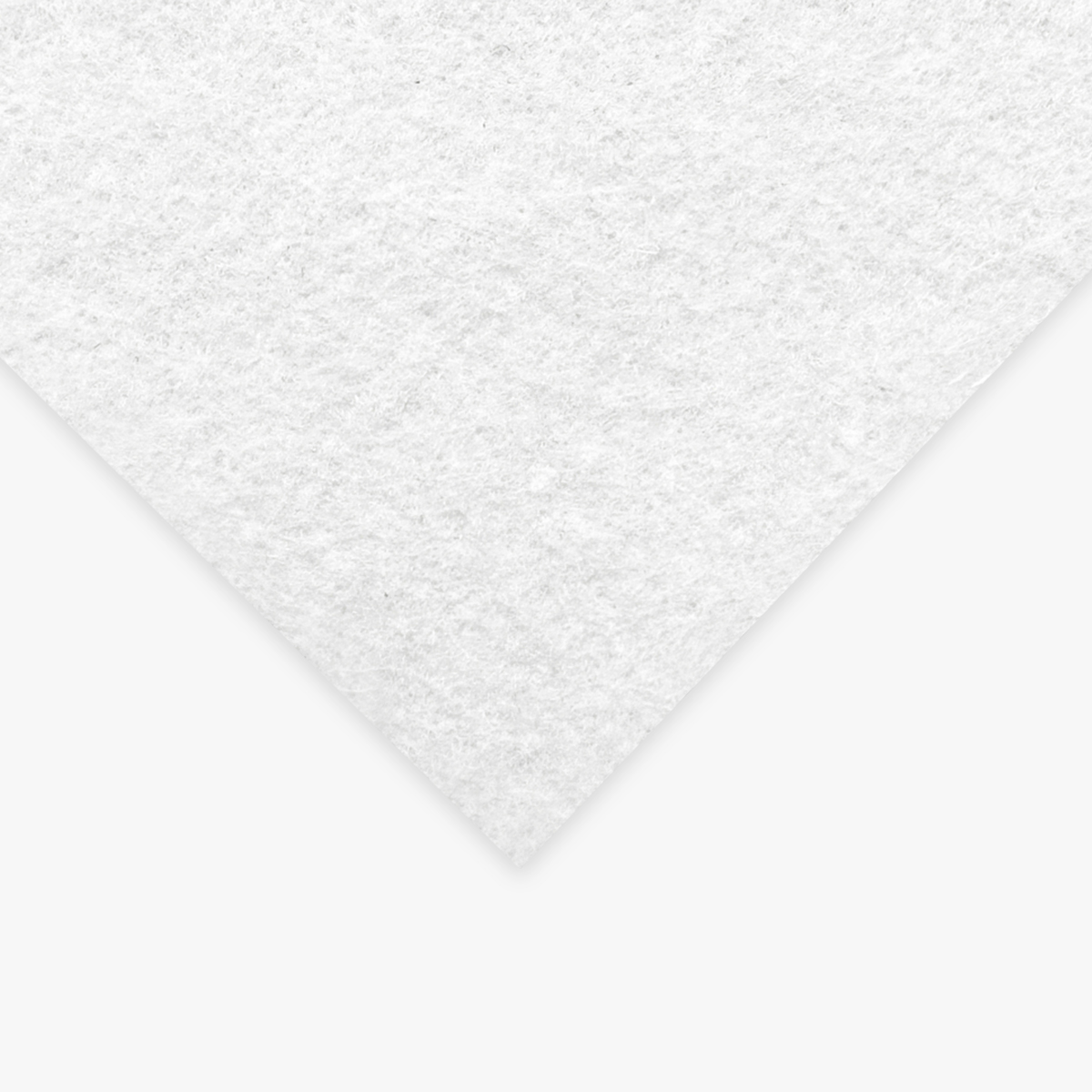
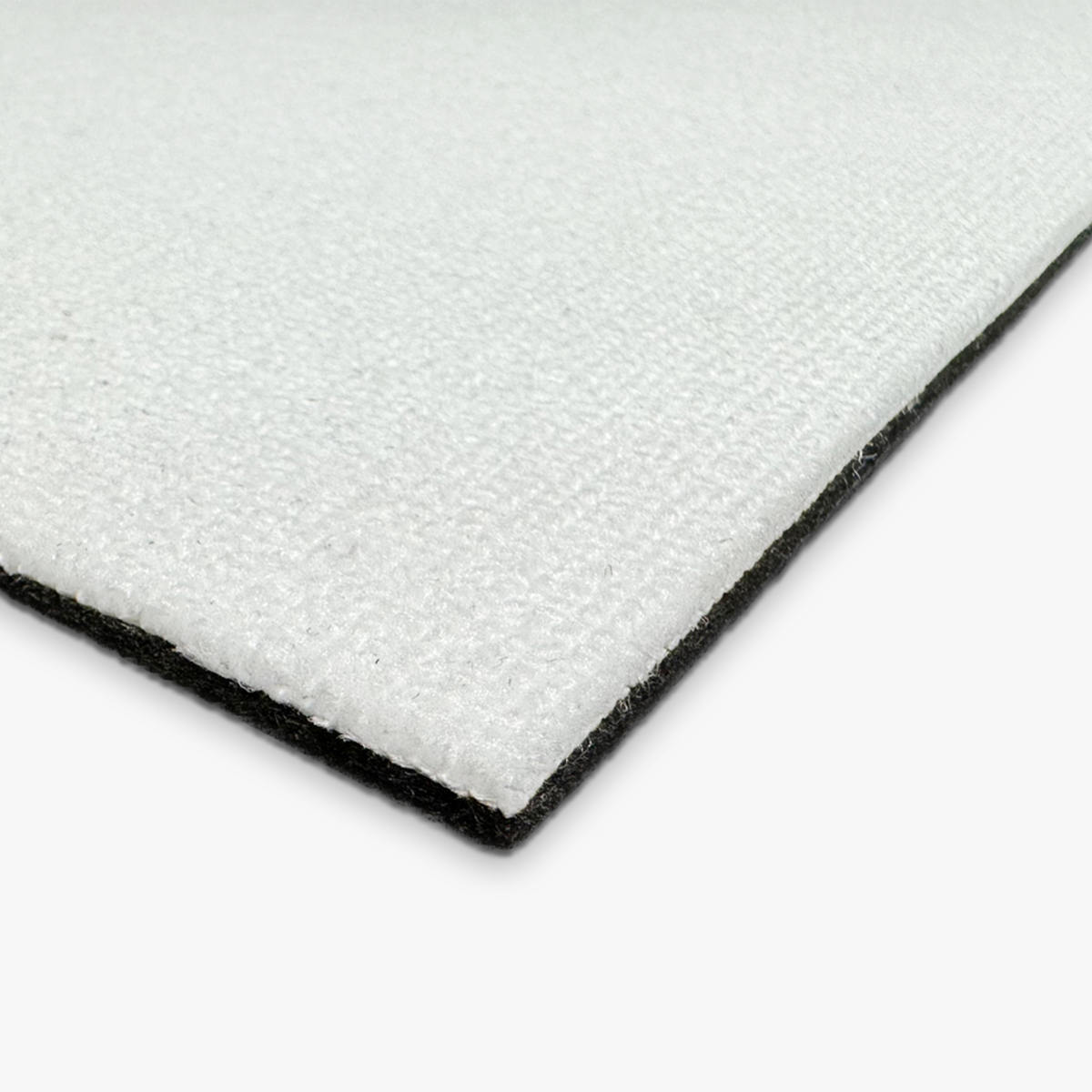
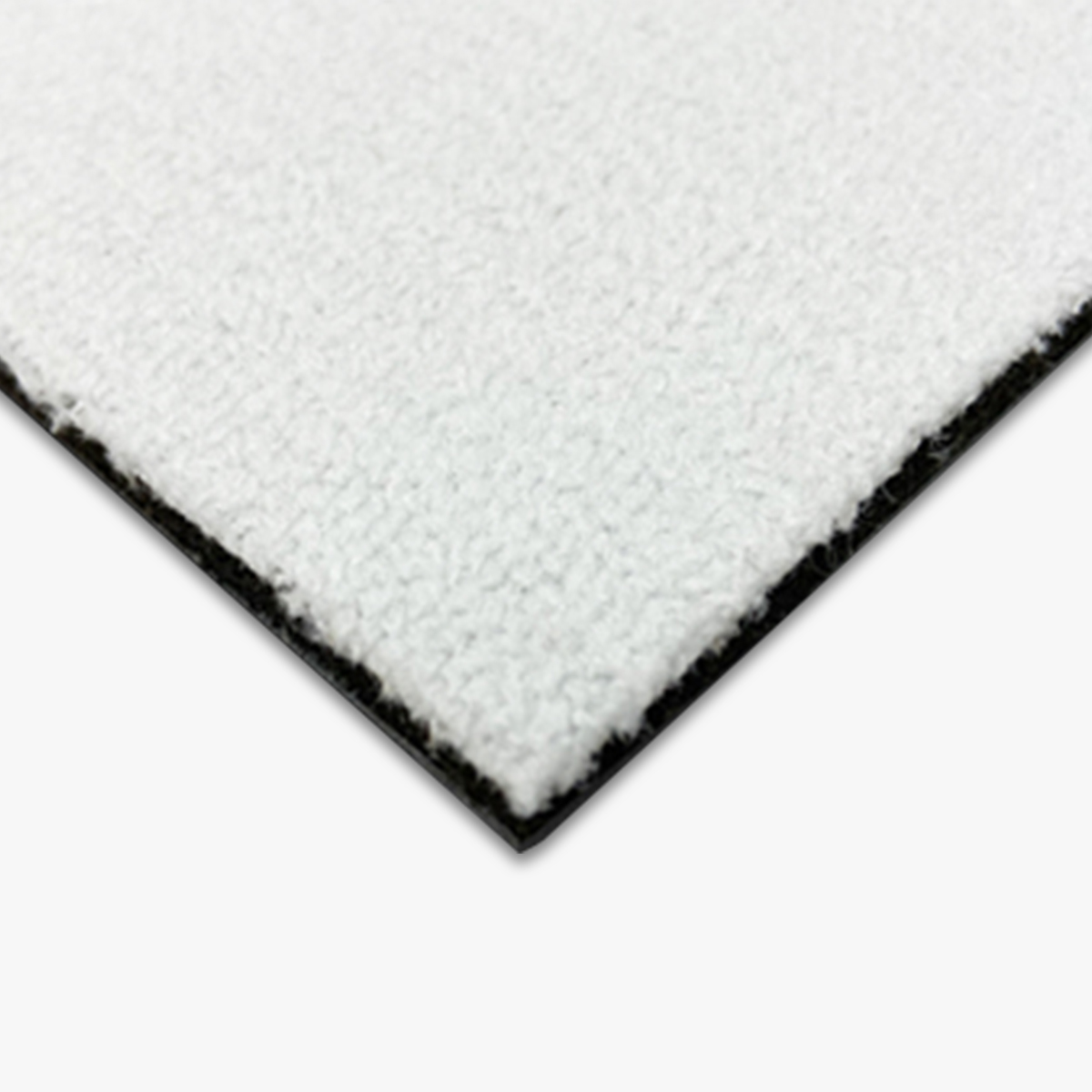
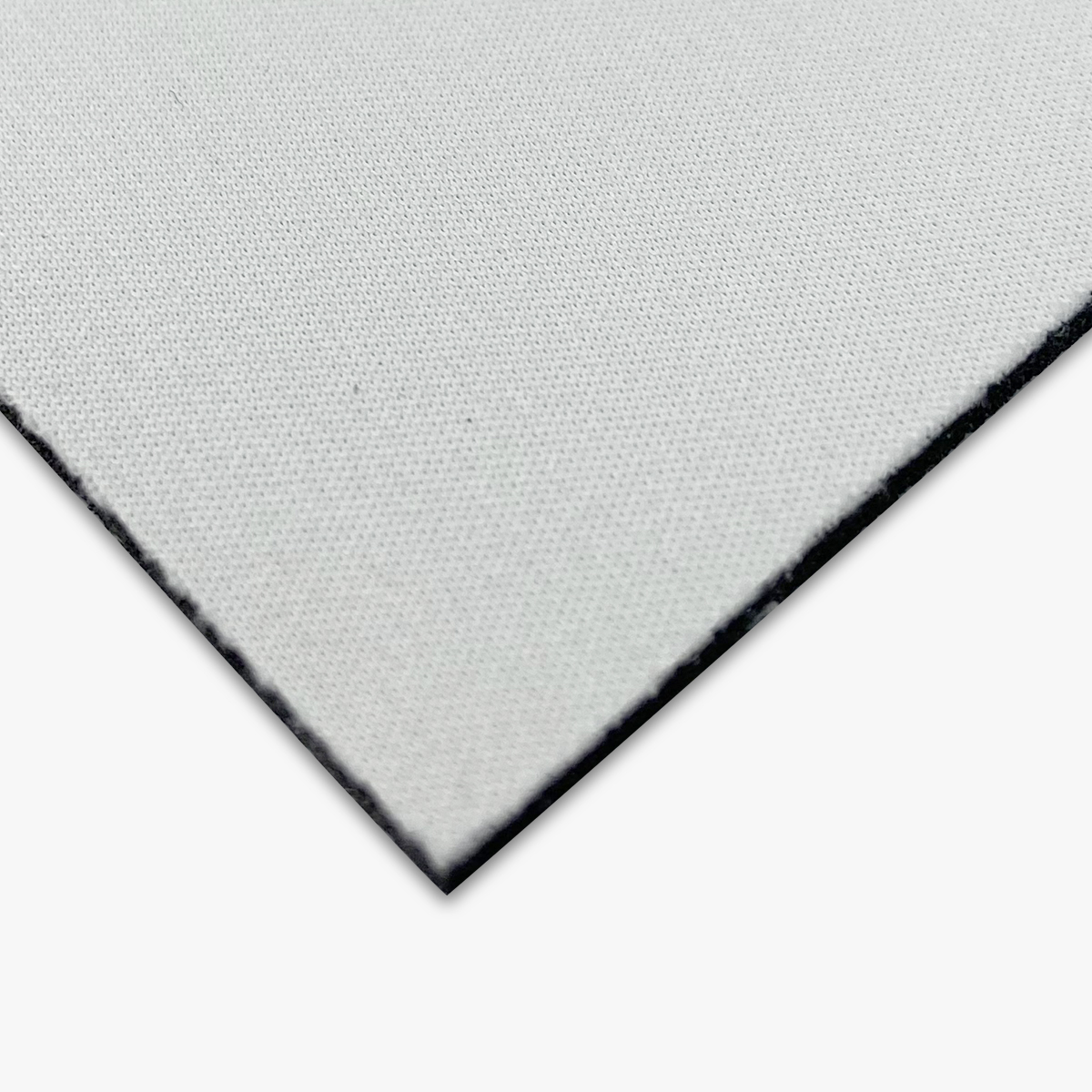
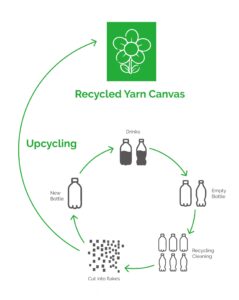
One standout example is recycled polyester yarn canvas, made from an innovative material rPET (recycled polyethylene terephthalate) canvas, derived from recycled plastic bottles. This fabric is 100% polyester, offering durability and vibrant print quality for digital applications. rPET canvases are lightweight, recyclable, and stretched over recycled frames, making them ideal for art prints while reducing plastic waste. Organic cotton, grown without synthetic pesticides, is another eco-friendly base, though recycled variants amplify the benefits by combining biodegradability with waste reduction.
These materials not only enhance sustainability but also maintain the performance needed for digital printing, ensuring sharp, vibrant images without compromising on environmental responsibility.
Eco-Friendly Printing Processes
The printing process is a significant factor in determining a canvas’s eco-friendliness. Sustainable printing methods minimize energy use, reduce harmful emissions (low VOCs), and ensure safety for both the environment and end users.
Low-Impact Inks
Eco-friendly canvases are printed with inks that have low volatile organic compounds (VOCs) and are often water-based, reducing harmful emissions. Examples include:
–HP Latex Inks: Water based ink technology, meaning up to 70% of the ink formula is water. The latest water-based HP Latex Inks are designed to avoid the hazards associated with other inks. It produces the lowest VOCs among digital printers and almost no hazardous air pollutants (HAPs).
–Water-Based Inks: Printing inks that use water as the primary solvent to carry pigments and binders. Unlike traditional inks that rely on harsh chemical solvents, water based inks prioritize safer, non-toxic components. This means they are less harmful to humans and the environment while still offering exceptional color vibrancy, durability, and print quality.
Energy-Efficient Technologies
Sustainable printing also involves energy-efficient methods. For instance
–Dye Sublimation: This printing process requires no water and uses 95% less energy than traditional textile printing, making it a highly efficient choice.
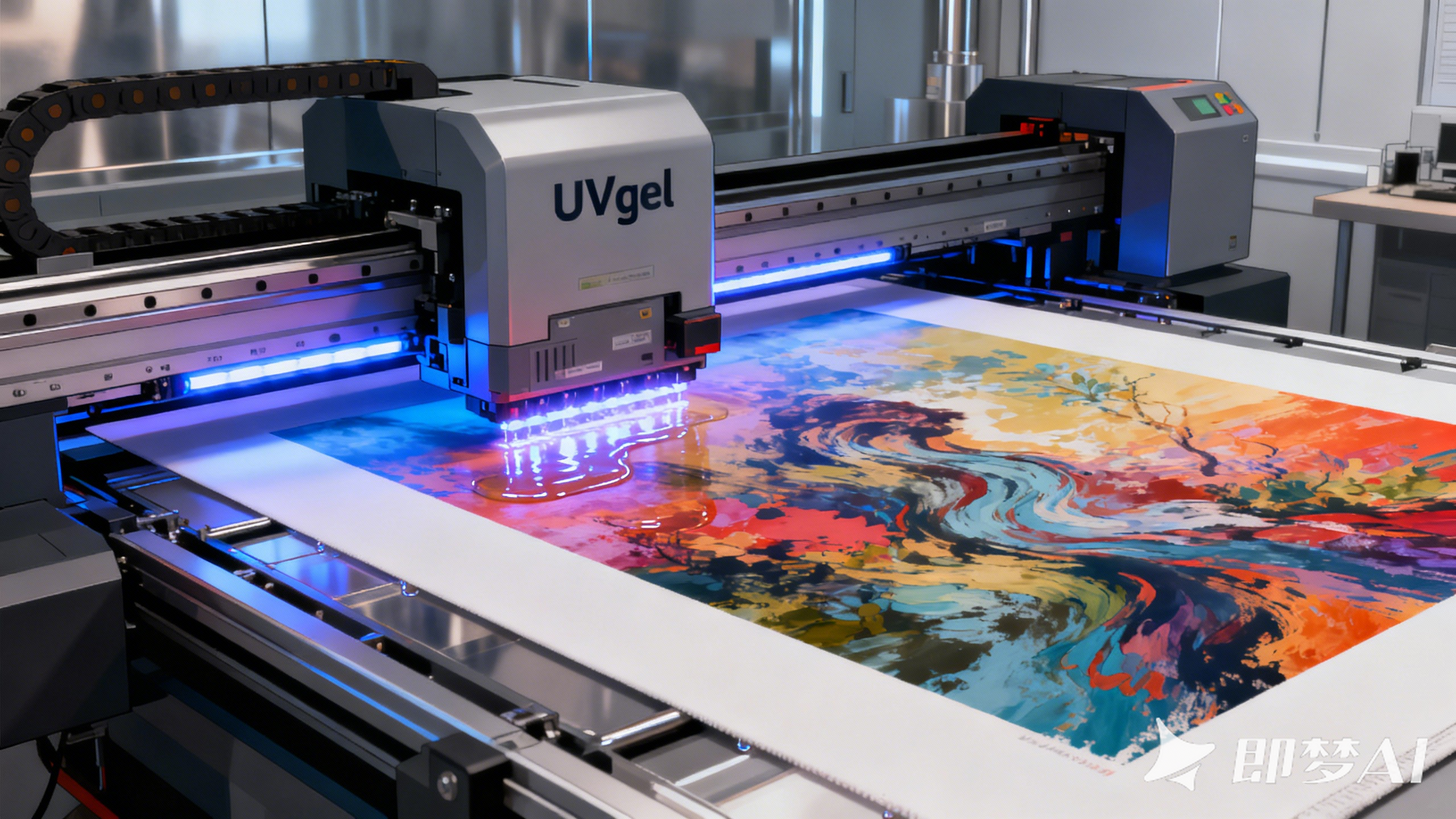
–UV Printing: As noted by Eco Friendly Printer, UV printing uses ultraviolet light instead of heat, reducing energy consumption and production time while maintaining high-quality prints.
These technologies ensure that recycled yarn canvases are printed in a way that aligns with sustainability goals.
Life-cycle Considerations
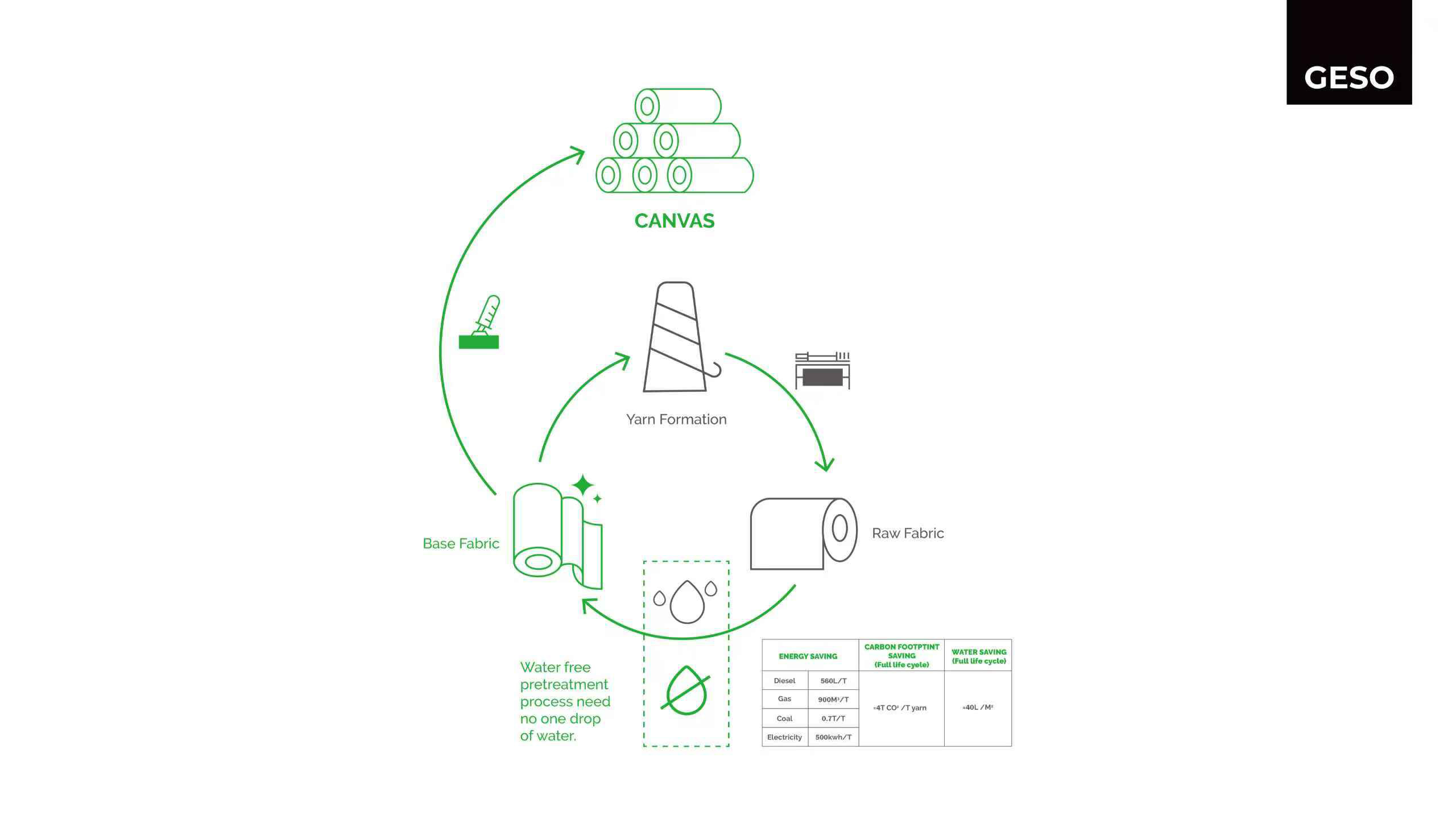
A truly environmental canvas must consider its entire lifecycle, from sourcing to disposal. Sustainable canvases are designed for longevity, reducing the frequency of replacements and thus lowering overall consumption. Recycled rPET yarn canvas option is often recyclable, which closing the loop in a circular economy.
Packaging is another dimension—many providers use 100% recycled materials for shipping, minimizing additional waste. At the end of life, these canvases can be repurposed or recycled, unlike traditional ones that may contribute to pollution.
Certifications and Transparency
To confirm a canvas’s sustainability, look for certifications and transparent reporting from manufacturers. Key certifications include:
-REACH : REACH is a regulation of the European Union, adopted to improve the protection of human health and the environment from the risks that can be posed by chemicals, while enhancing the competitiveness of the EU chemicals industry.
-GRS:The Global Recycled Standard (GRS) is a full product standard to verify and track recycled raw materials through the supply chain. It also includes processing criteria to prevent the use of potentially hazardous chemicals, and verifies positive social or environmental production at the facilities.
-Émissions dans l’air intérieur: A French label for building products that evaluates and classifies their emissions of volatile organic compounds (VOCs). It aims to improve indoor air quality by providing consumers and professionals with information on the emissions of building products.
Conclusion: Embracing Sustainability in Canvas Choices
In summary, a truly environmental canvas combines recycled yarn, efficient digital printing processes, and full-lifecycle sustainability. By opting for recycled yarn canvas , you’re not just creating beautiful art—you’re contributing to a healthier planet. As the digital printing industry evolves, prioritizing these elements ensures that creativity and environmental stewardship go hand in hand. Let’s make sustainability the canvas of our future.