



Popular Wallcovering Materials for Digital Printing in POD (Print on Demand) Business
Blogs 2025-11-06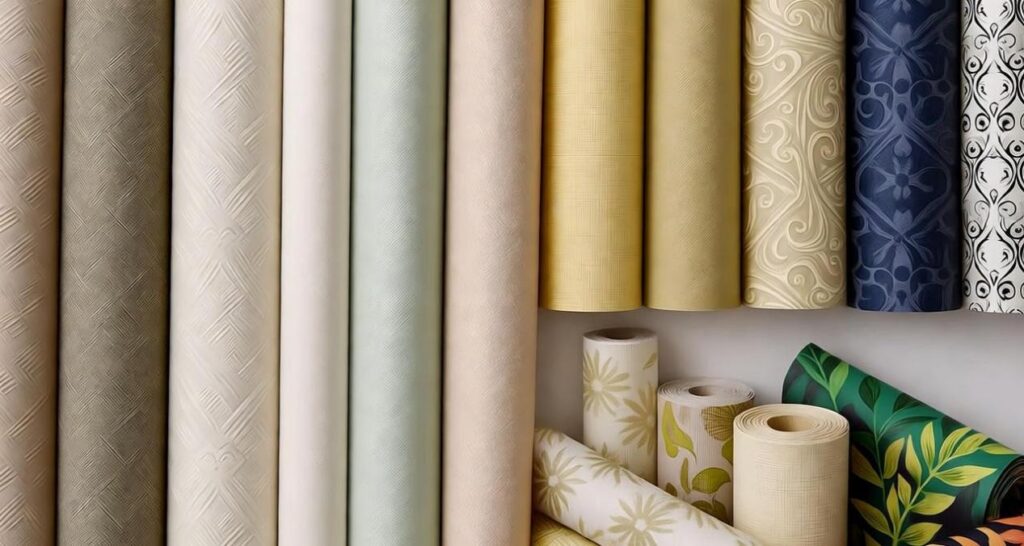
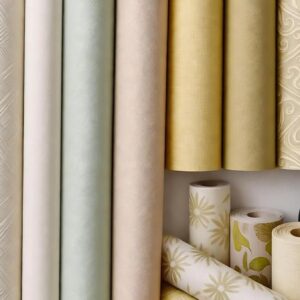
In the ever-evolving world of interior design and decoration, digital printing has revolutionized how businesses create and distribute wallcovering products. As a key player in the Print on Demand (POD) business, digital printing allows for customizable, high-quality wallcoverings that cater to diverse customer needs without the burden of large inventory stocks. This enables companies like GESO, specializing in Digital Printing Decorative Substrates, to offer innovative blanks materials for homes, offices, and commercial spaces worldwide for digital printing.
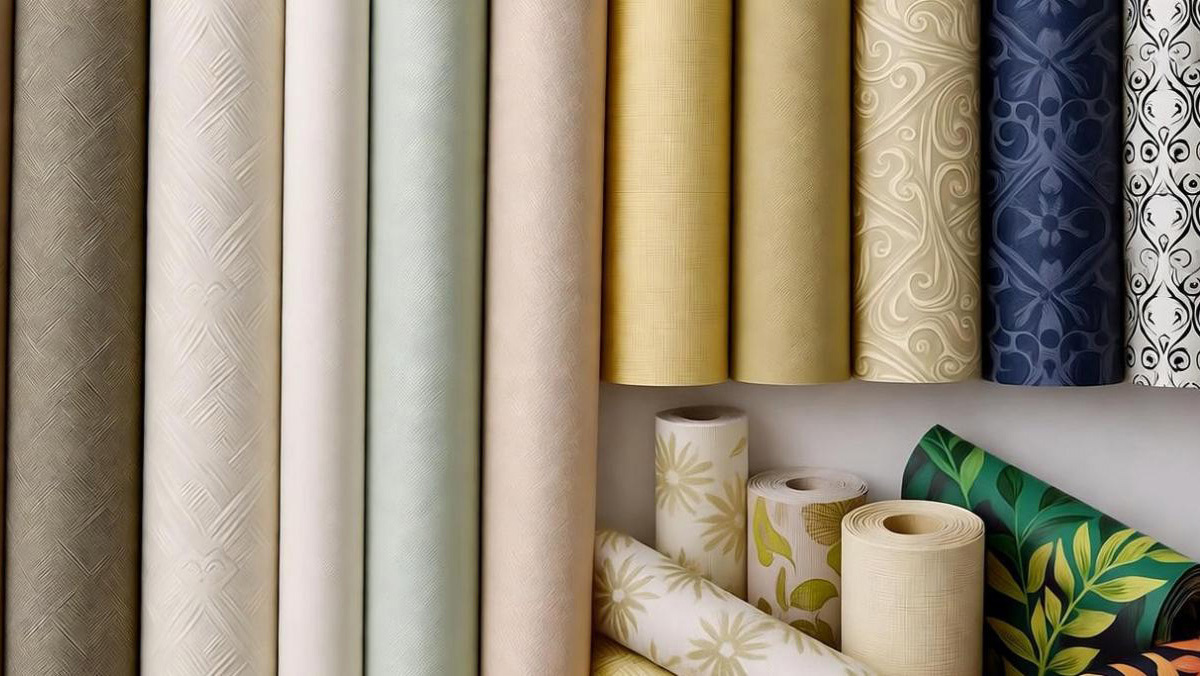
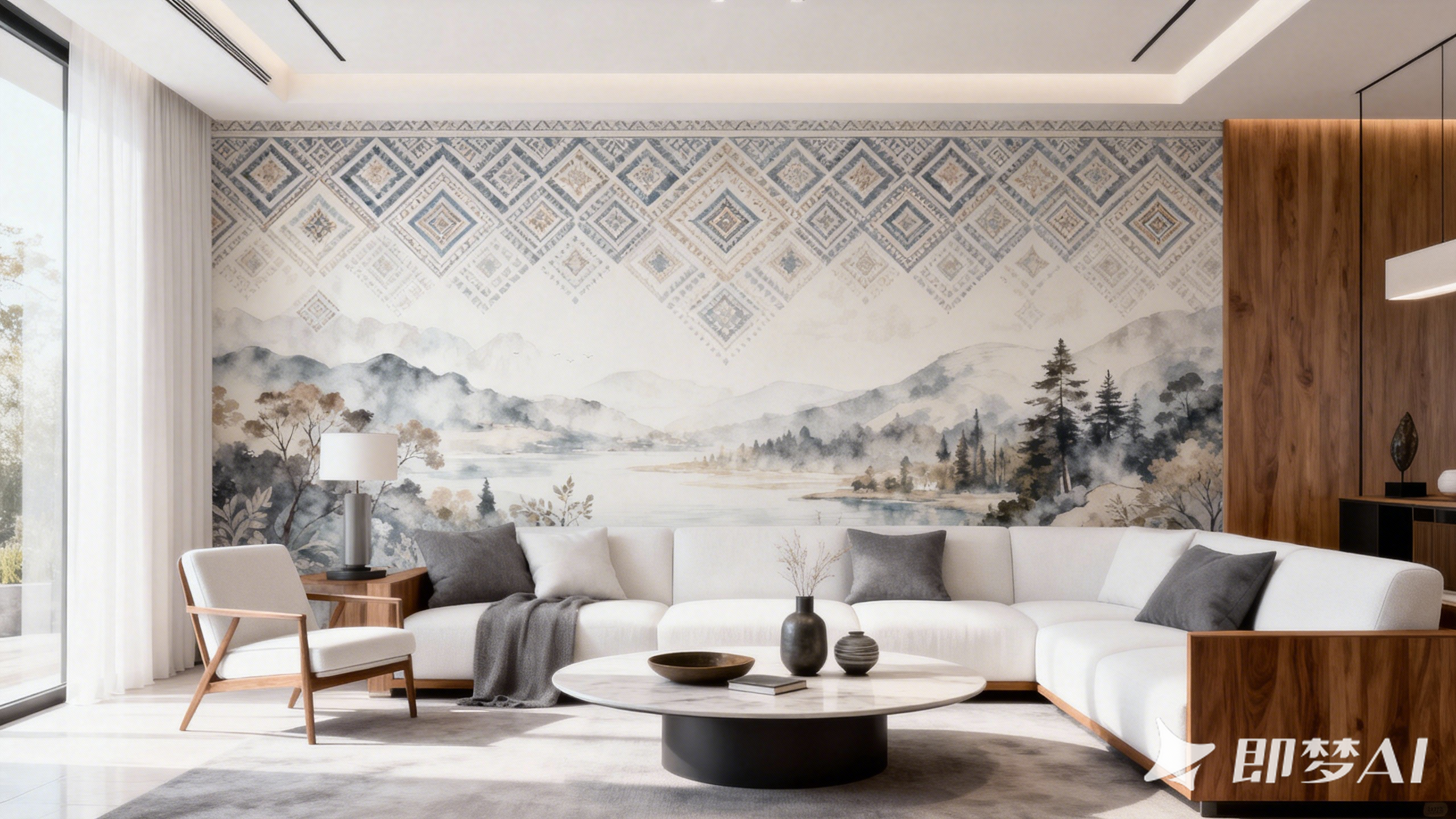
Digital Printing Wallcovering has become a cornerstone of the POD industry, providing flexibility, speed, and sustainability. Whether you’re a designer seeking unique patterns or a retailer looking to minimize waste, understanding the popular materials for digital printing in POD can help you make informed decisions. In this post, we’ll explore five essential wallcovering materials: Non-Woven Wallpaper, Vinyl Wallcovering, Fabric Wallcovering, Peel & Stick Wallpaper, and Hydrogel Wallpaper. Each offers distinct advantages in digital printing applications, making them ideal for Print on Demand operations in the global market.
The Rise of Digital Printing in the Wallcovering Industry
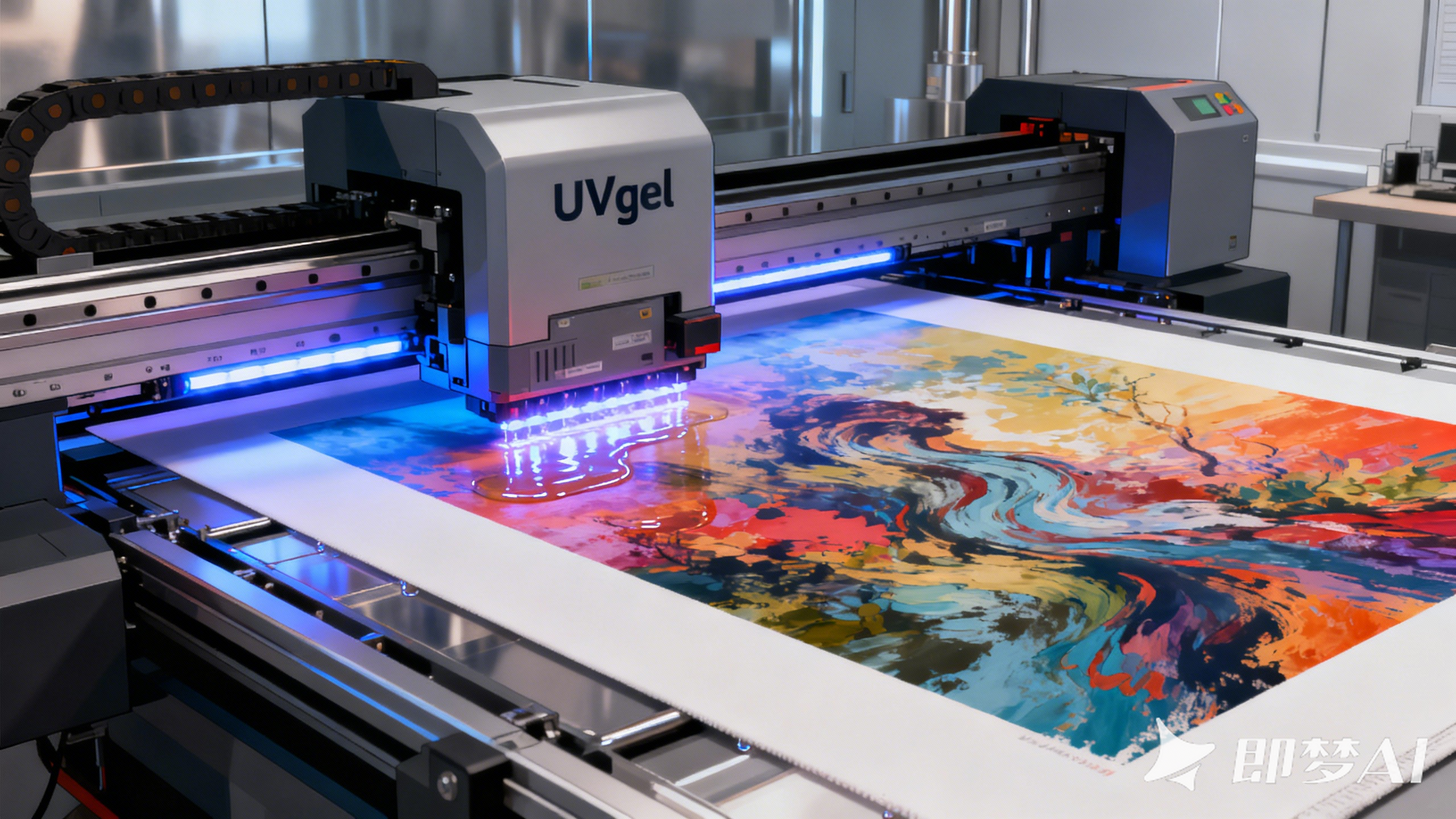
Before diving into specific materials, let’s discuss why digital printing is transforming the wallpaper sector. Traditional rotary screen printing methods often require high minimum order quantities, long lead times, and significant upfront costs. In contrast, digital printing uses advanced inkjet technology to produce wallpapers on demand, allowing for short runs and rapid customization.
In the POD business, this means you can respond quickly to market trends, such as seasonal designs or personalized motifs. Digital Printing Wallpaper reduces environmental impact by minimizing overproduction and waste, aligning with sustainable practices that are increasingly demanded in today’s market trends. According to industry reports, the global digital printing market for wallpaper is projected to grow significantly, driven by e-commerce and POD platforms.
Our company, as an manufacture expert in Digital Printing Decorative Substrates, leverages this technology to export high-quality wallpapers to markets all over the world. By focusing on Print on Demand, we ensure that our clients receive tailored products that meet stringent quality standards while optimizing supply chains.
Non-Woven Wallpaper: The Classic Choice for Digital Printing
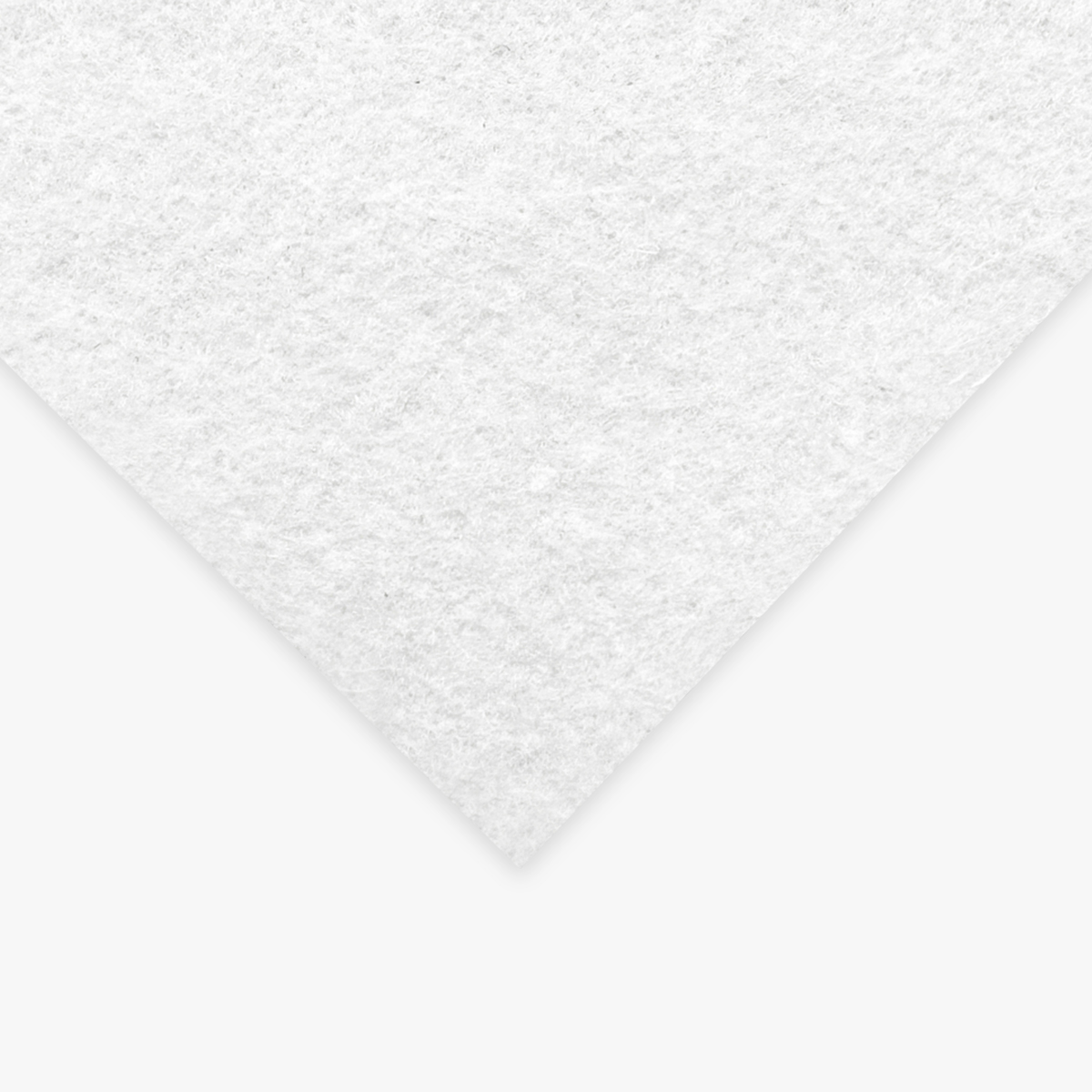
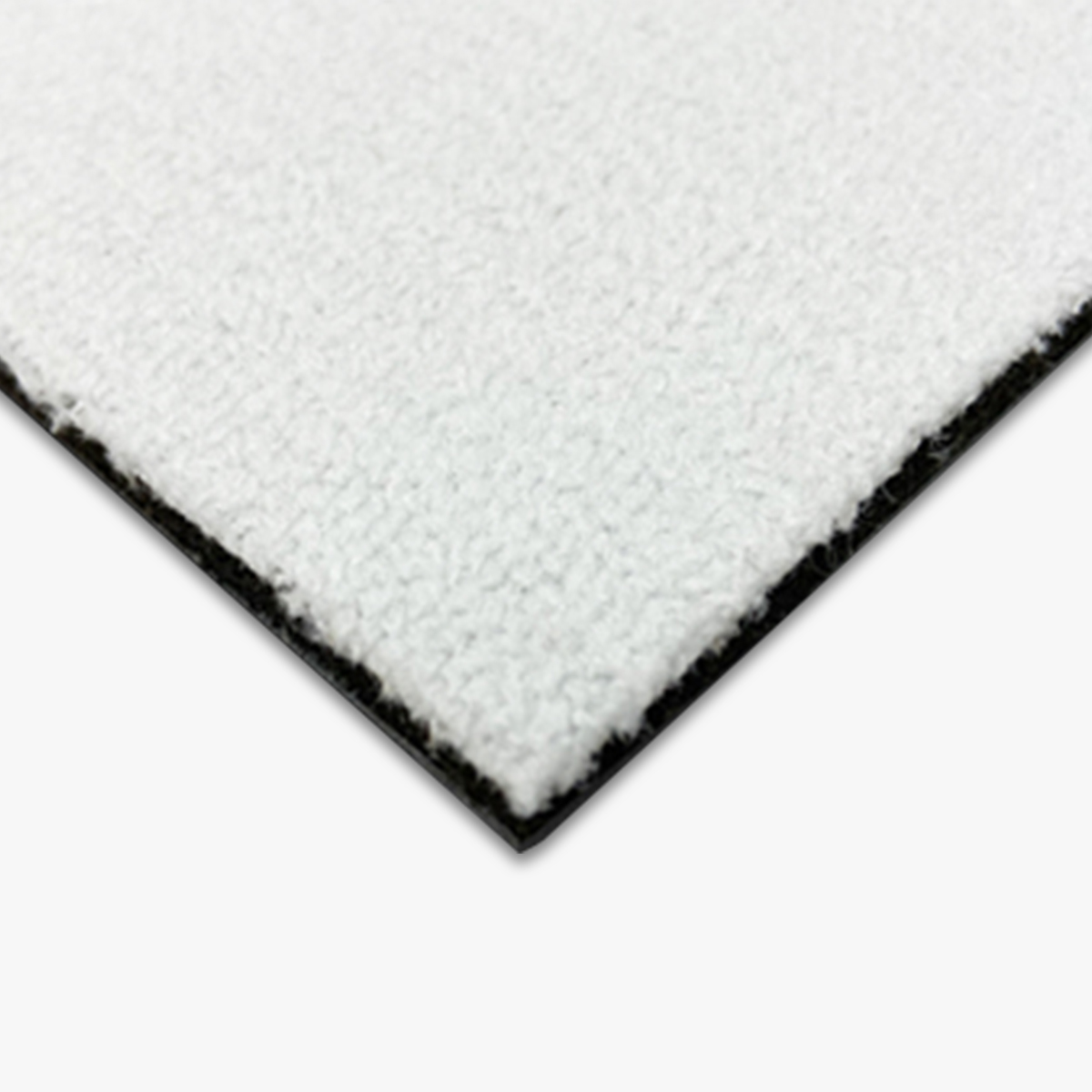
Non-woven Wallpaper remains one of the most popular materials for digital printing in the POD business. Traditionally made from paper-based substrates. Modern wallpaper for digital printing often incorporates non-woven or vinyl-coated layers to enhance durability and printability.
Advantages of Non-Woven Wallpaper in Digital Printing Wallcovering
Non-woven wallpaper excels in absorbing inks from digital printers, resulting in vibrant colors and sharp details. In Print on Demand scenarios, this material allows for endless customization—think intricate floral patterns, geometric abstracts, or even photo-realistic murals. Its lightweight nature makes it easy to handle and install, which is a boon for international shipping.
One key benefit is its cost-effectiveness. For POD businesses, non-woven wallpaper enables low-volume production without compromising quality, ideal for niche markets like boutique hotels or custom home decor. Digital printing on wallpaper also supports eco-friendly inks, such as latex ink, reducing volatile organic compounds (VOCs) and appealing to environmentally conscious consumers.
Applications in POD
In the POD model, wallpaper is perfect for on-demand orders where customers upload their designs for instant printing. We have seen a surge in demand for digitally printed wallpaper from regions like the Middle East, where ornate designs are popular. Challenges include ensuring moisture resistance in humid climates, but advancements in coatings have addressed this.
Vinyl Wallcovering: Durability Meets Versatility
Vinyl Wallcovering is a robust option for digital printing, particularly in commercial applications. Composed of PVC layers backed with paper or non-woven fabric, it offers superior strength, stain resistance and washability.
Why Vinyl Excels in Digital Printing Wallcovering
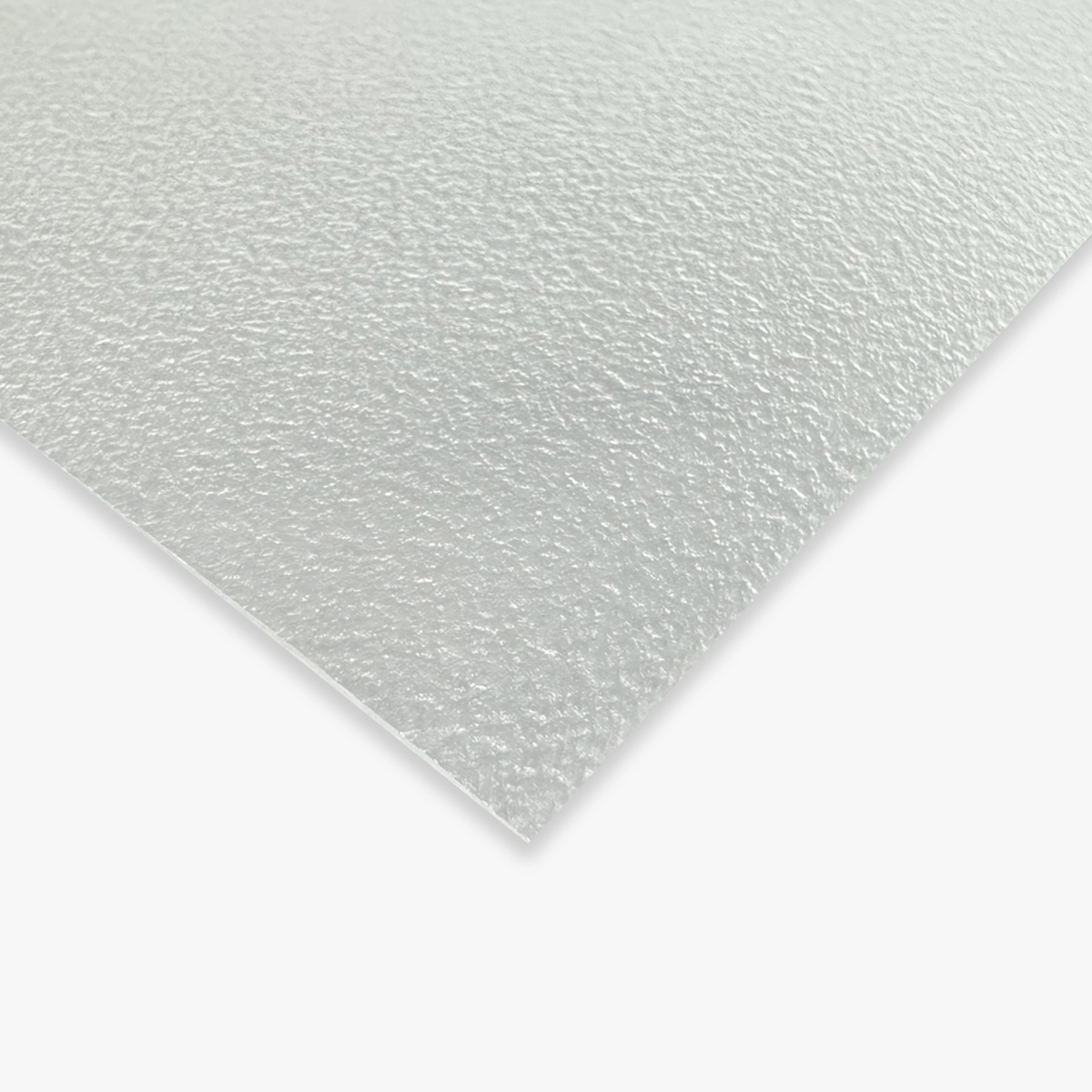
Digital printing on Vinyl wallcovering produces fade-resistant, high-resolution images that withstand heavy traffic areas. In the Print on Demand business, Vinyl’s flexibility allows for textured finishes like embossed patterns, enhancing the tactile appeal of wall decor.
Its water-resistant properties make it suitable for kitchens, bathrooms, hotel, restaurant, and healthcare facilities. POD operators benefit from Vinyl’s quick drying times post-printing, speeding up fulfillment processes. Moreover, Vinyl wallcoverings can be fire-rated(EN13501-1, ASTM-E84), meeting international safety standards crucial.
POD Business Insights and Trade Considerations
For international exporters, Vinyl Digital Printing Wallcovering is a top seller due to its longevity—lasting up to 10 years with proper installation. In POD, it supports variable data printing, enabling personalized branding for corporate clients. However, sustainability concerns arise from PVC’s plastic content, so we recommend eco-variants with recycled materials.
Fabric Wallcovering: Luxury and Acoustic Benefits
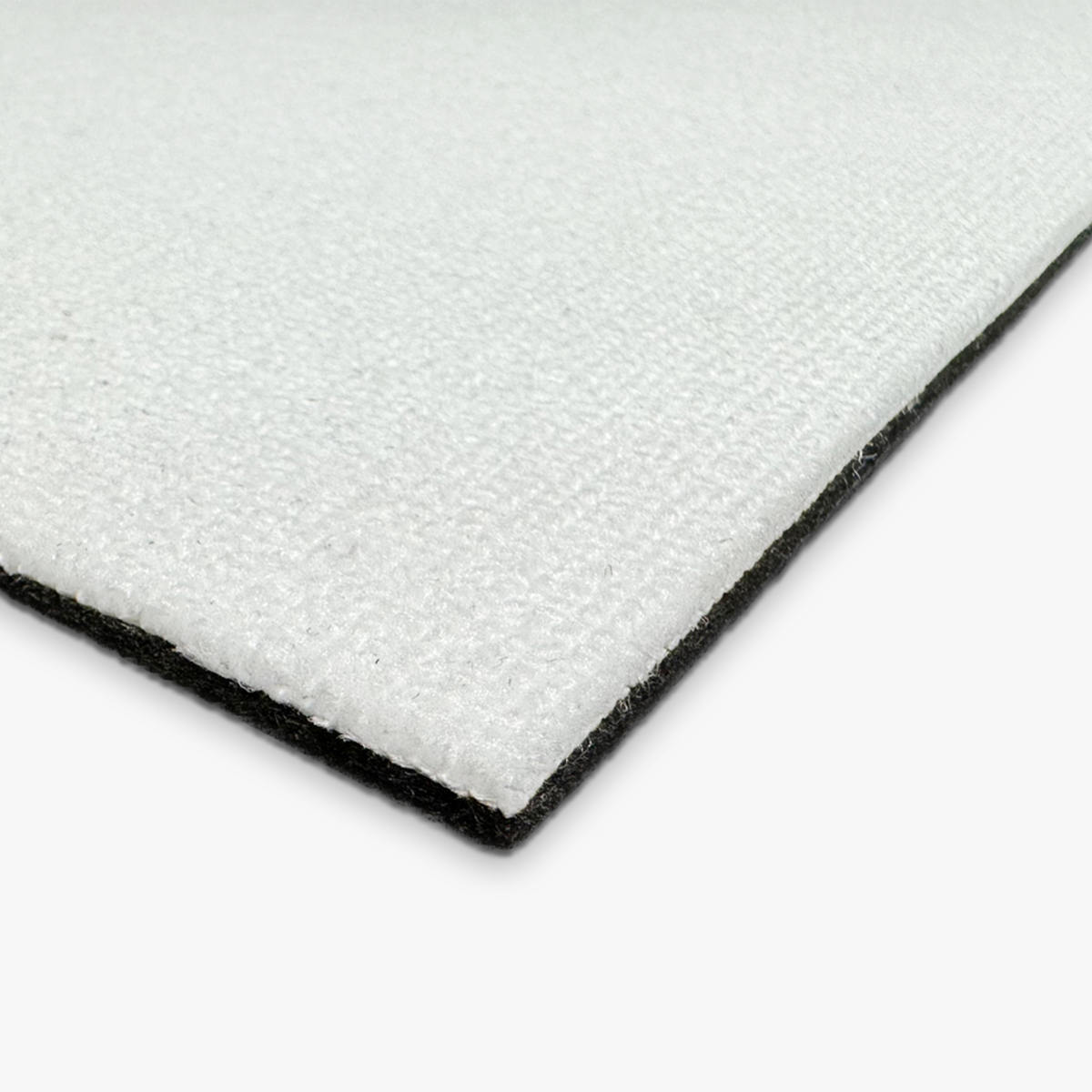
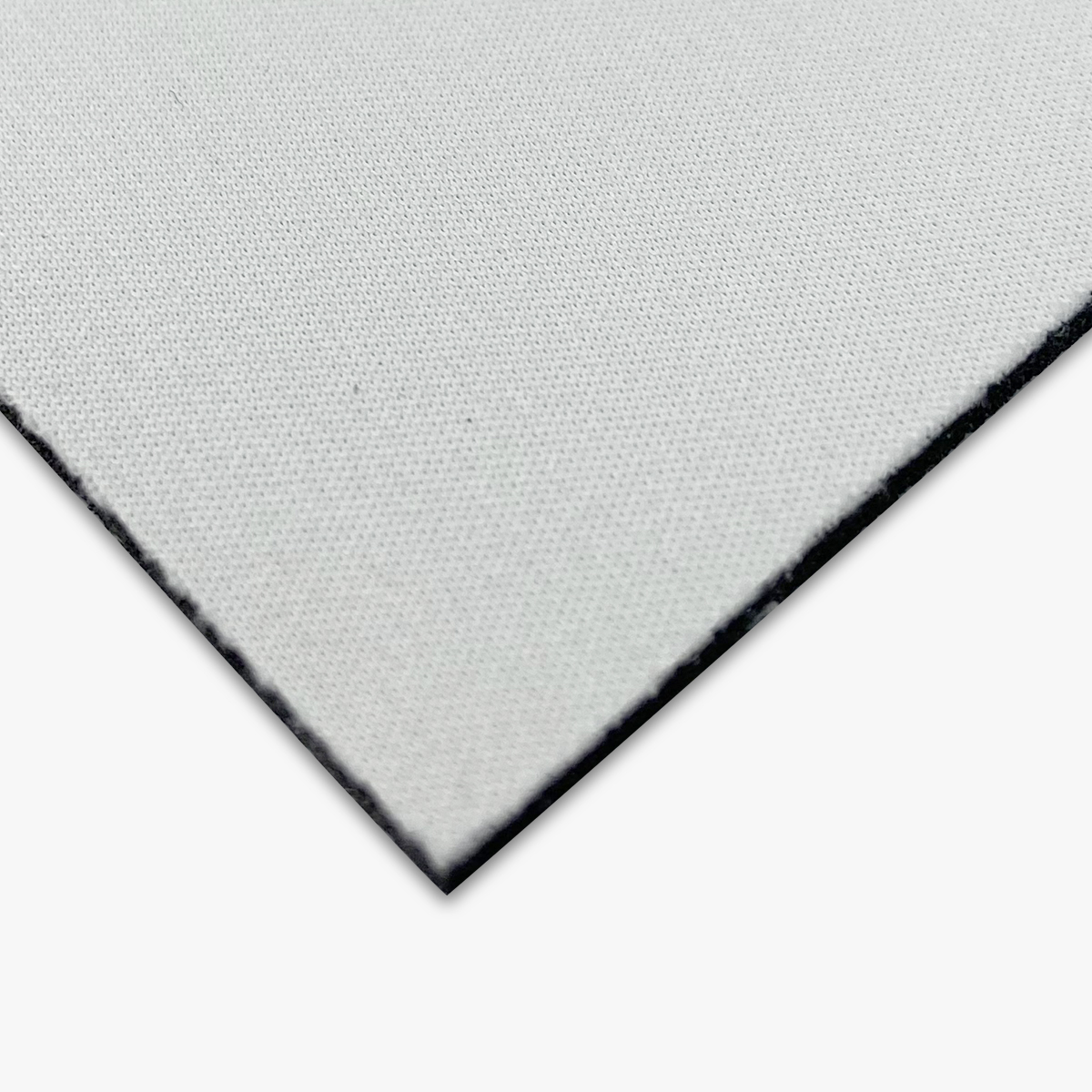
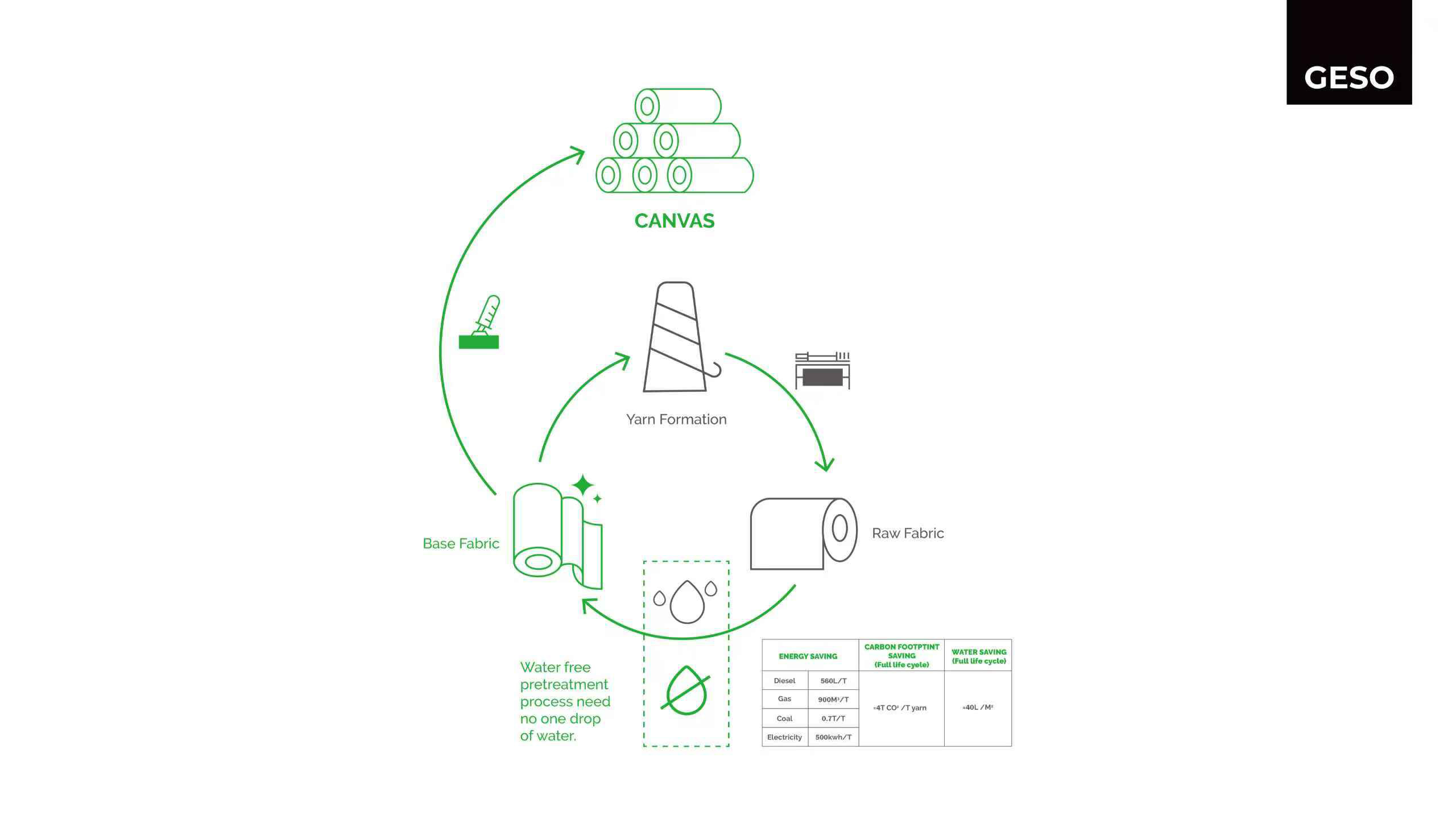
Fabric Wallcovering brings a touch of elegance to digital printing projects, made from textiles like polyester, or cotton blends; even recycled yarn is available for fabric wallcovering to achieve sustainability demand in areas with high environmental protection requirements like European markets. Also fabric wallcovering may carry grey back to achieve the effect of high opacity.
Fabric’s Role in Digital Printing and POD
Digital printing on fabric wallcovering yields soft, breathable surfaces with excellent color saturation. Unlike rigid materials, fabric absorbs sound, making it ideal for noise-reduction in offices or theaters. In Print on Demand, fabric allows for seamless large-format prints (3.2m width), perfect for murals or accent walls. POD businesses appreciate fabric’s ease of customization, as digital inks bond well without cracking over time. Other challenges include wrinkle resistance during shipping, but vacuum-packing techniques mitigate this.
Sustainability is a plus, with many fabrics being recyclable or sourced from organic fibers. The optioin of recycled yarn provides a perfect solution for customers who value sustainability, while without sacrificing effects on fabric wallcovering. For POD integration, fabric supports rapid prototyping, allowing designers to test prints before full runs.
Peel & Stick Wallpaper: Convenience for Modern Consumers
Peel & Stick Wallpaper, also known as self-adhesive wallpaper, is a game-changer for digital printing in POD, featuring a removable backing for easy application comparing to traditional installation of starch-based glue on regular wallcovering (more steps and complex installation).
Benefits for Digital Printing Wallcovering
This material simplifies installation—no paste required—making it user-friendly for DIY enthusiasts. Digital printing on Peel & Stick ensures precise patterns that align perfectly, with repositionable adhesives for error-free setups. In Print on Demand, it’s ideal for temporary decor, like seasonal themes or rental properties.
POD and Trade Perspectives
Per our experience the highlights Peel & Stick’s popularity in fast-paced markets like the US, where quick home makeovers are trending. POD allows for small-batch production, reducing inventory risks. Eco-friendly versions use low-VOC adhesives with fabric instead of vinyl base, aligning with green standards. Potential drawbacks include adhesion on textured walls, but primers solve this. For SEO, target “Digital Printing Peel & Stick Wallpaper” to attract POD sellers focusing on convenience.
Hydrogel Wallpaper: Innovation in Eco-Friendly Printing
Hydrogel Wallpaper represents cutting-edge technology in digital printing, utilizing water-based gel substrates that are highly absorbent and environmentally safe. It is an innovative decorative material with a hydrogel layer on its back. When sprayed with water, the hydrogel absorbs moisture and rapidly expands, becoming adhesive and firmly adhering to the wall. This method simplifies the installation process, allowing the paper or fabric base to be quickly applied to the wall.
Hydrogel’s Advantages in Digital Printing
Digital Printing Wallpaper with hydrogel offers superior ink adhesion, producing matte finishes that mimic traditional paints. It’s biodegradable and free from harmful chemicals, making it a sustainable choice for POD businesses.
In Print on Demand, hydrogel’s quick-cure properties accelerate production, ideal for high-volume custom orders. It is also repositionable and it’s easier fro DIY customers compared to Peel & Stick when they fail on the alignment during installation process. (comparison with Peel & Stick, hydrogel Spray and stick can be adhere to different texture surface, as Peel & Stickr it requires flat smooth wall )When it comes to Uninstallation, Customers only need to tear off a corner of the wallpaper, spray water on the back of the wallpaper to reactivate the hydrogel, so that it can be strip down in a piece instead paper left behind and it can perform the next installation immediately. Its flexibility conforms to irregular surfaces, expanding creative possibilities.
Applications in POD
As an decorative substrates expert, we’ve seen Hydrogel Digital Printing Wallpaper gain traction in eco-conscious regions. It’s perfect for educational or healthcare settings due to its hypoallergenic nature.Challenges include higher costs, but economies of scale in POD mitigate this. Future trends point to hydrogel’s role in smart walls with embedded tech.
Choosing the Right Material for Your Digital Printing POD Business
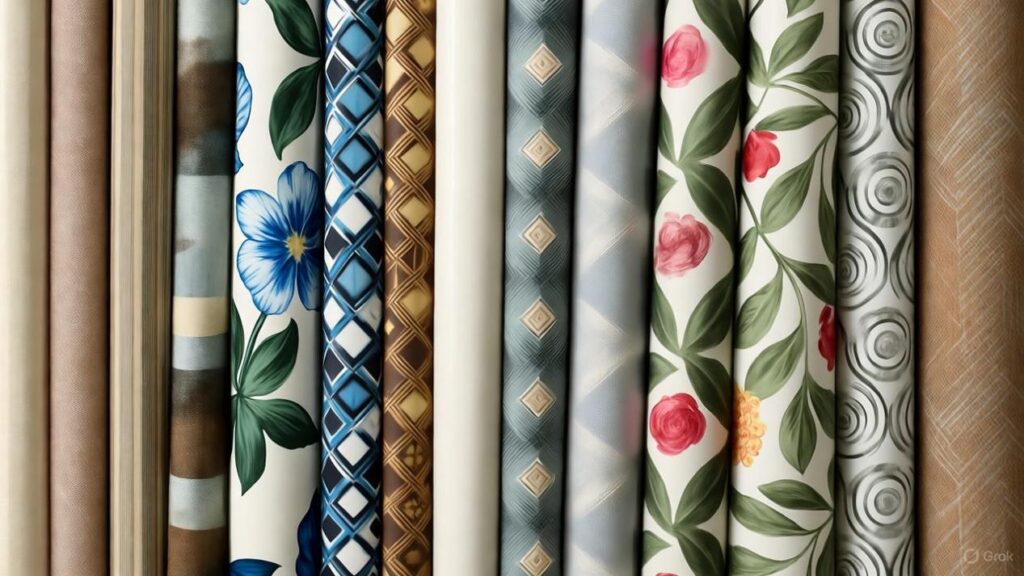
Selecting wallpaper materials depends on factors like durability, application environment, and budget. For commercial, Vinyl or Fabric might suit best; for residential, Wallpaper,Peel & Stick and Hydrogel wallcovering offer versatility. Always consider international regulations, such as REACH in Europe or ASTM fire resistance standards in the US, to ensure compliance in trade.
Integrating digital printing enhances scalability in POD, allowing for global customization. Our company provides expert guidance on sourcing these materials, optimizing your supply chain for efficiency.
Conclusion: Embrace Digital Printing Wallpaper in POD
The POD business thrives on innovation, and Digital Printing Wallpaper materials like Non-Woven Wallpaper, Vinyl Wallcovering, Fabric Wallcovering, Peel & Stick Wallpaper, and Hydrogel Wallpaperare at the forefront. By leveraging these in your operations, you can deliver personalized, high-quality products that meet global demands.
As a leading Digital Printing Decorative Substrates company, we’re here to support your wallpaper needs. Contact us today to explore Print on Demand solutions tailored to your market. Let’s transform spaces together!