


Is Non-PVC Wallpaper Ready for Commercial Grade Applications?
Blogs 2025-11-18
In digital printing decorative substrate market, the debate over material choices for wallpapers has intensified, particularly as sustainability becomes a cornerstone of commercial grade interior design decisions. With global markets shifting toward eco-conscious solutions, questions arise: In commercial scenarios, can Non-PVC wallpapers serve as a viable alternative to traditional PVC-based options? This post delves into these queries, drawing on industry insights, recent market trends, and a comparative analysis of PVC and Non-PVC wallcoverings. We’ll examine their inherent characteristics from multiple angles—sustainability, performance effects, cost-effectiveness, and beyond—to provide a rigorous, logic-driven evaluation. With advancements in manufacturing and rising consumer demand for green materials, Non-PVC options are not just emerging; they’re proving their mettle in high-stakes commercial environments.
According to recent data, the wallpaper market is projected to experience substantial growth from 2025 to 2034, driven in part by eco-friendly innovations. This reflects broader industry shifts toward materials that balance durability with environmental responsibility. As an expert in digital printing decorative substrates, this analysis is grounded in real-world applications, from hospitality to retail, where wallcoverings must endure heavy use while aligning with corporate ESG (Environmental, Social, and Governance) goals.
Understanding PVC Wallcoverings: The Traditional Powerhouse
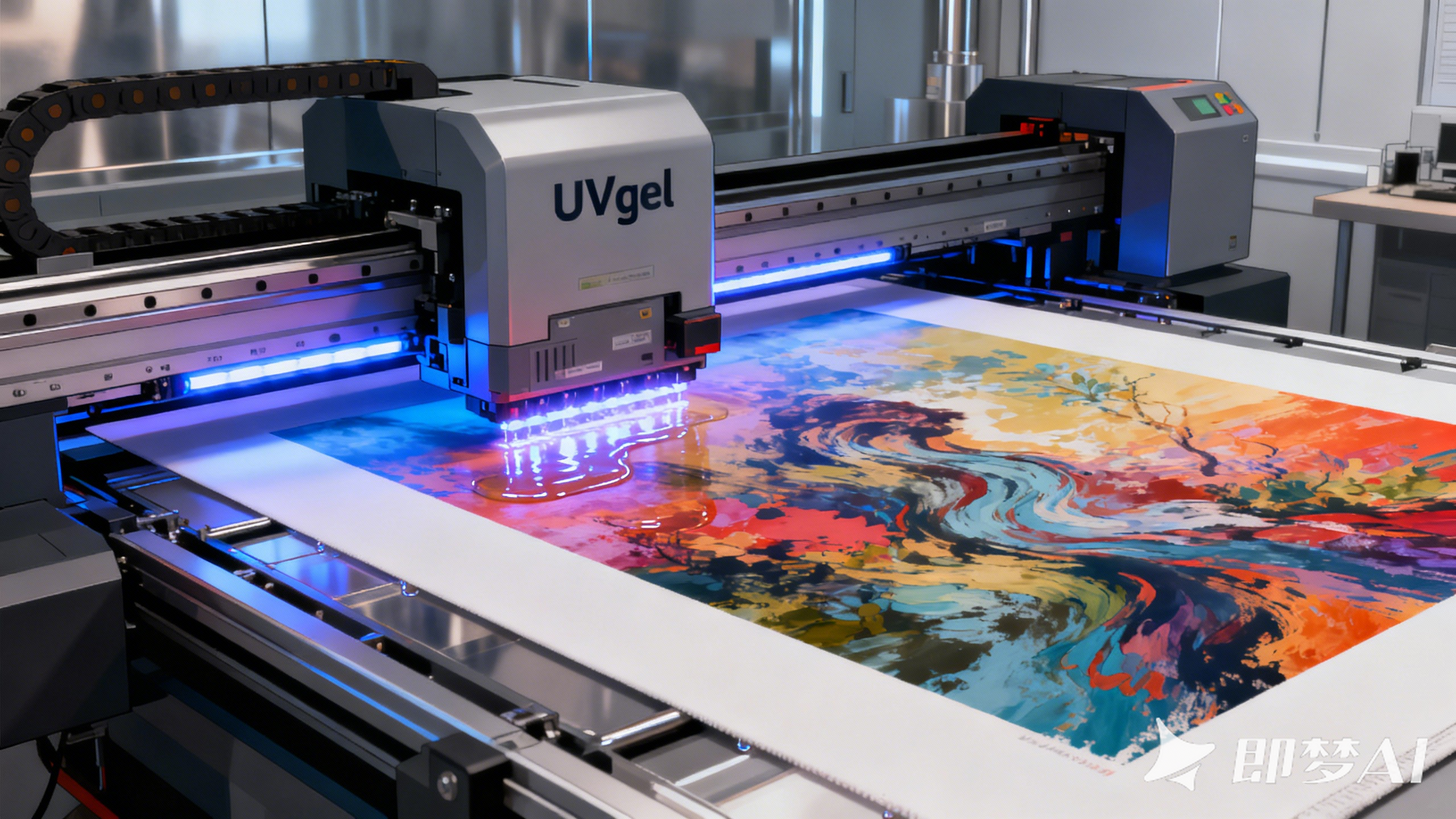
Polyvinyl chloride (PVC) wallcoverings have long dominated the commercial sector due to their robust properties and proven track record. Composed primarily of vinyl resins, these substrates are engineered for high-performance digital printing, compatible with inks like eco-solvent, UV/UVgel, and latex. In commercial-grade applications—such as hotels, restaurants, offices, and retail spaces—PVC options excel in providing waterproof, scratch-resistant surfaces that withstand daily wear and tear.
Sustainability Aspects of PVC Wallcoverings
From a sustainability standpoint, PVC has faced scrutiny. Traditional PVC production involves chlorine and phthalates, which can contribute to environmental pollution and health concerns through off-gassing of volatile organic compounds (VOCs). However, advancements in 2025 have mitigated some issues: Many manufacturers now offer phthalate-free and low-VOC formulations. Compliance with standards like REACH (Registration, Evaluation, Authorisation, and Restriction of Chemicals) ensures safer use, but PVC’s lifecycle—from extraction to disposal—still poses challenges. Landfill decomposition is slow, and incineration can release dioxins. Despite these drawbacks, PVC’s recyclability in closed-loop systems offers partial redemption, making it a transitional choice for businesses not yet fully committed to zero-plastic goals.
Performance Effects: Durability and Versatility
PVC’s performance advantages are undeniable. Its inherent durability makes it ideal for high-traffic commercial areas, resisting fading, stains, and abrasion better than many alternatives. Industry testing under ASTM standards confirms superior scratch resistance, with lifespans often exceeding 10 years in demanding settings. Waterproof qualities suit moisture-prone environments like kitchens or bathrooms in commercial spaces, preventing mold and peeling. In digital printing, PVC substrates provide excellent ink adhesion, enabling vibrant, high-opacity prints with textures that mimic fabrics. Installation is straightforward, especially with peel-and-stick variants, though traditional pasted options require professional application for seamless results. Overall, PVC delivers reliability, with minimal maintenance needs—simple wiping suffices for most stains.
Cost-Effectiveness: Balancing Upfront and Long-Term Savings
Economically, PVC wallcoverings strike a strong balance, making them accessible for large-scale commercial projects. Their durability reduces replacement frequency, lowering long-term costs; for instance, in a hotel lobby, PVC might outlast cheaper alternatives by 2-3 times, offsetting initial investments. Shipping is cost-efficient due to rollable formats, and compatibility with wide-format printing minimizes waste. However, higher-end eco-formulated PVCs can increase upfront costs by 10-20%, and disposal fees in regulated areas add to the total expense. For budget-conscious commercial users, PVC remains a go-to for its proven ROI in high-use scenarios.
Despite these strengths, PVC’s environmental footprint has spurred innovation, paving the way for Non-PVC alternatives that challenge its dominance.
The Rise of Non-PVC Wallcoverings: A Sustainable Shift
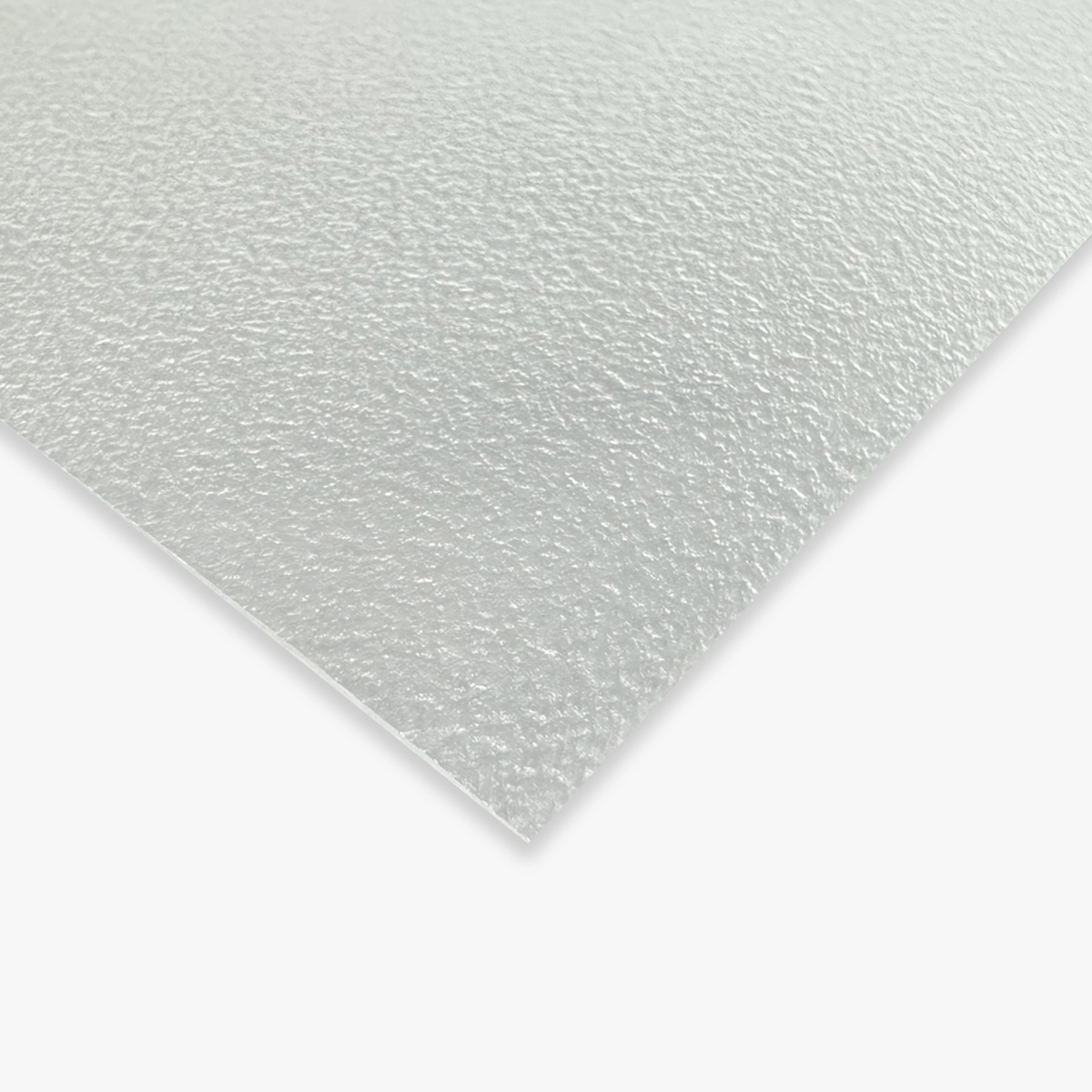
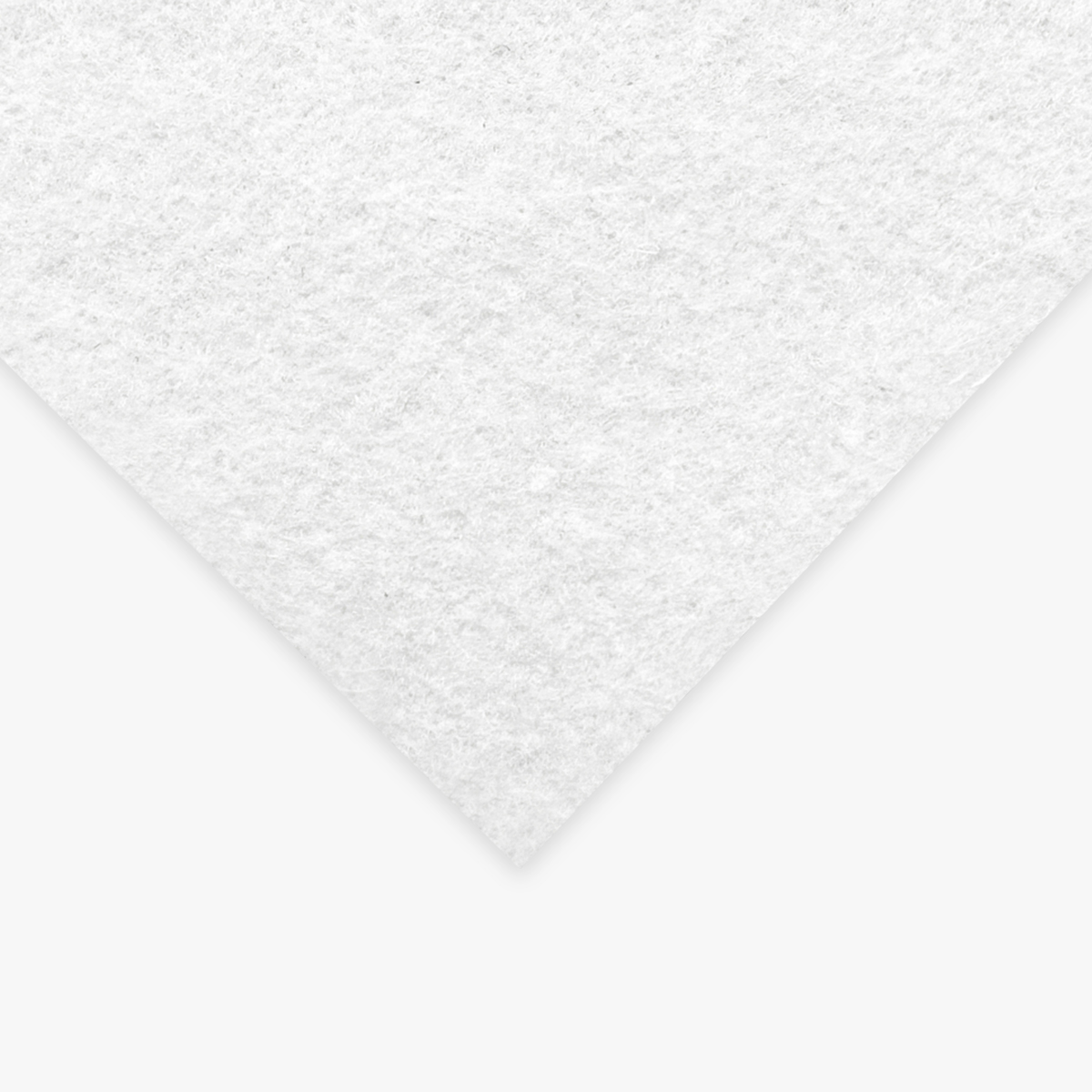
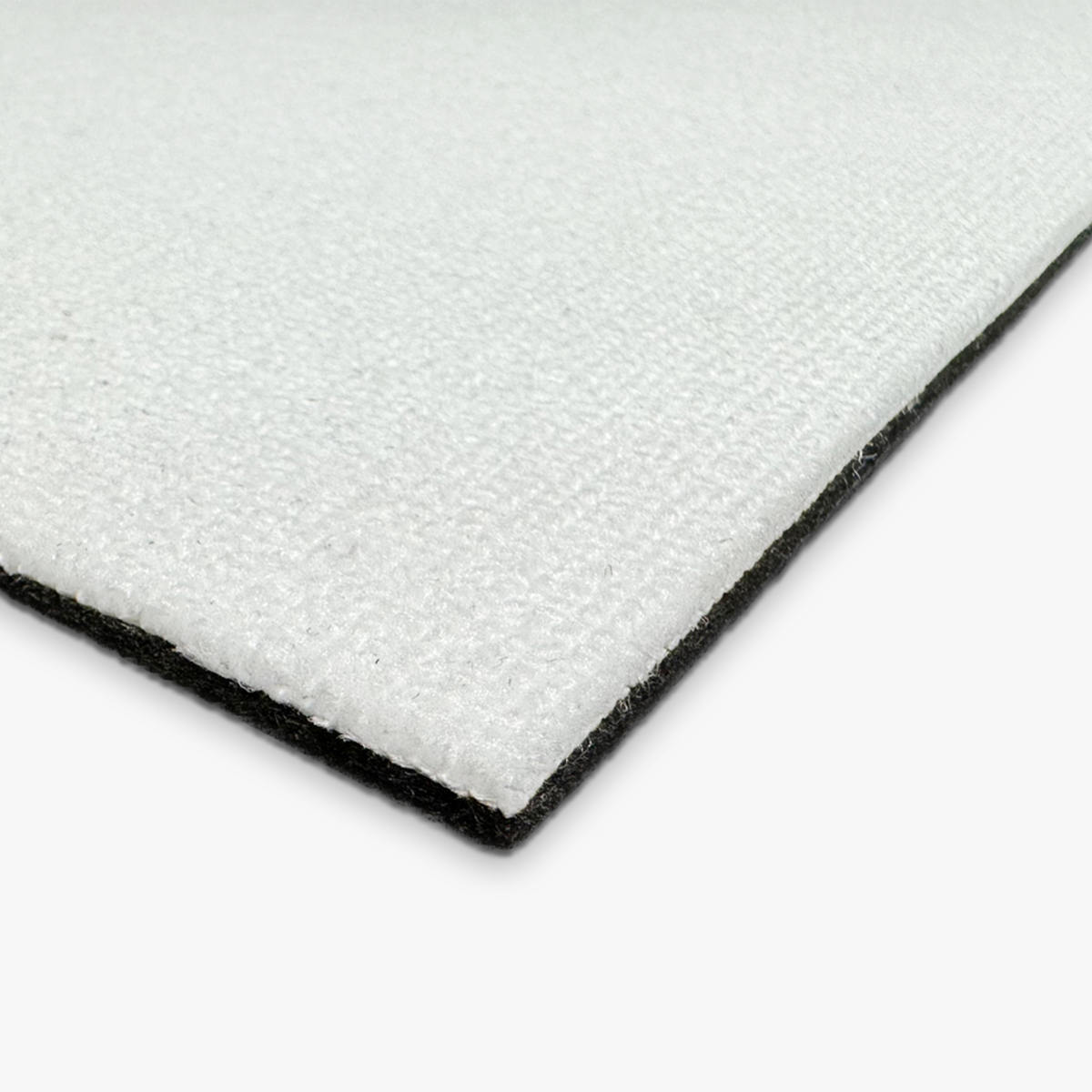
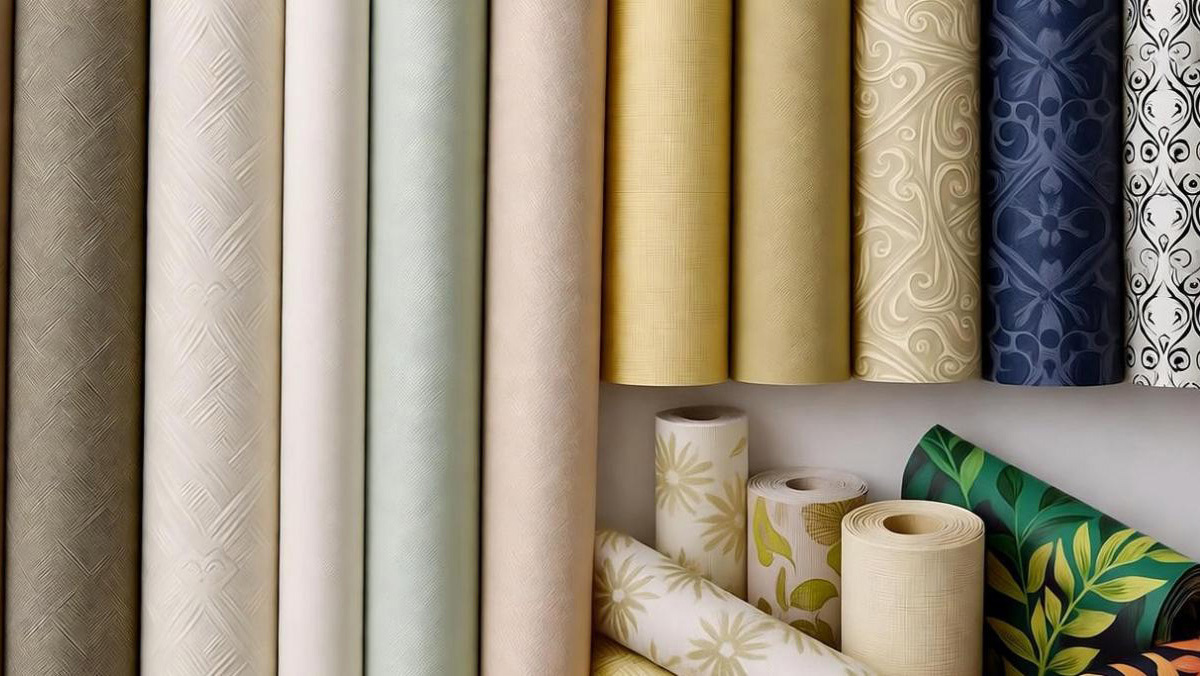
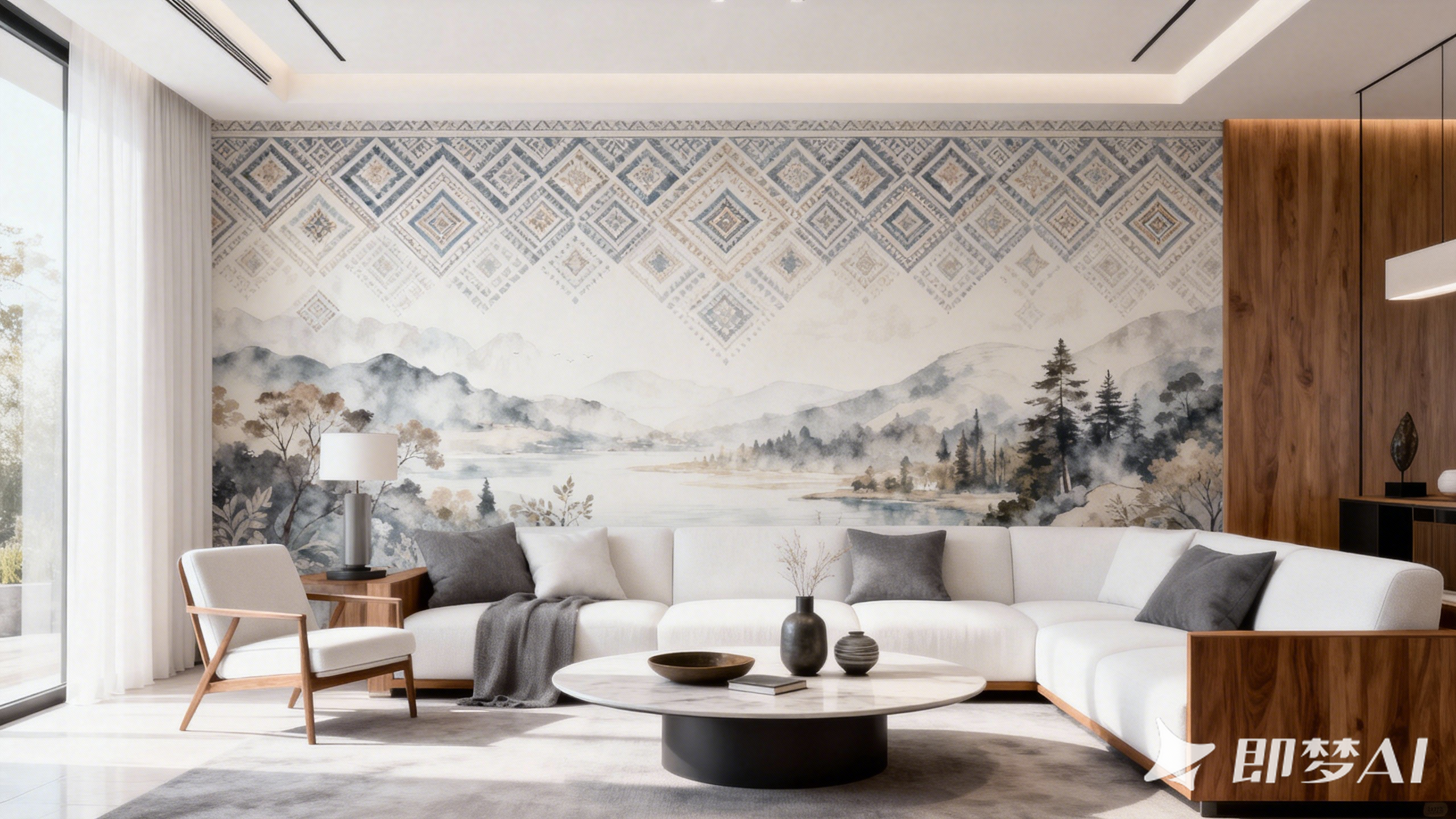
Non-PVC wallpapers, encompassing fabric-based (e.g., textile coatings) and paper-based substrates, represent the vanguard of eco-innovation in decorative materials. These options eschew PVC entirely, opting for natural or recycled fabrics, non-woven fabrics, or coated papers compatible with digital printing technologies. In 2025, Non-PVC variants are increasingly specified in commercial projects, from museums to corporate offices, where sustainability certifications like REACH, GRS and FSC are prioritized.
Sustainability Excellence in Non-PVC Wallcoverings
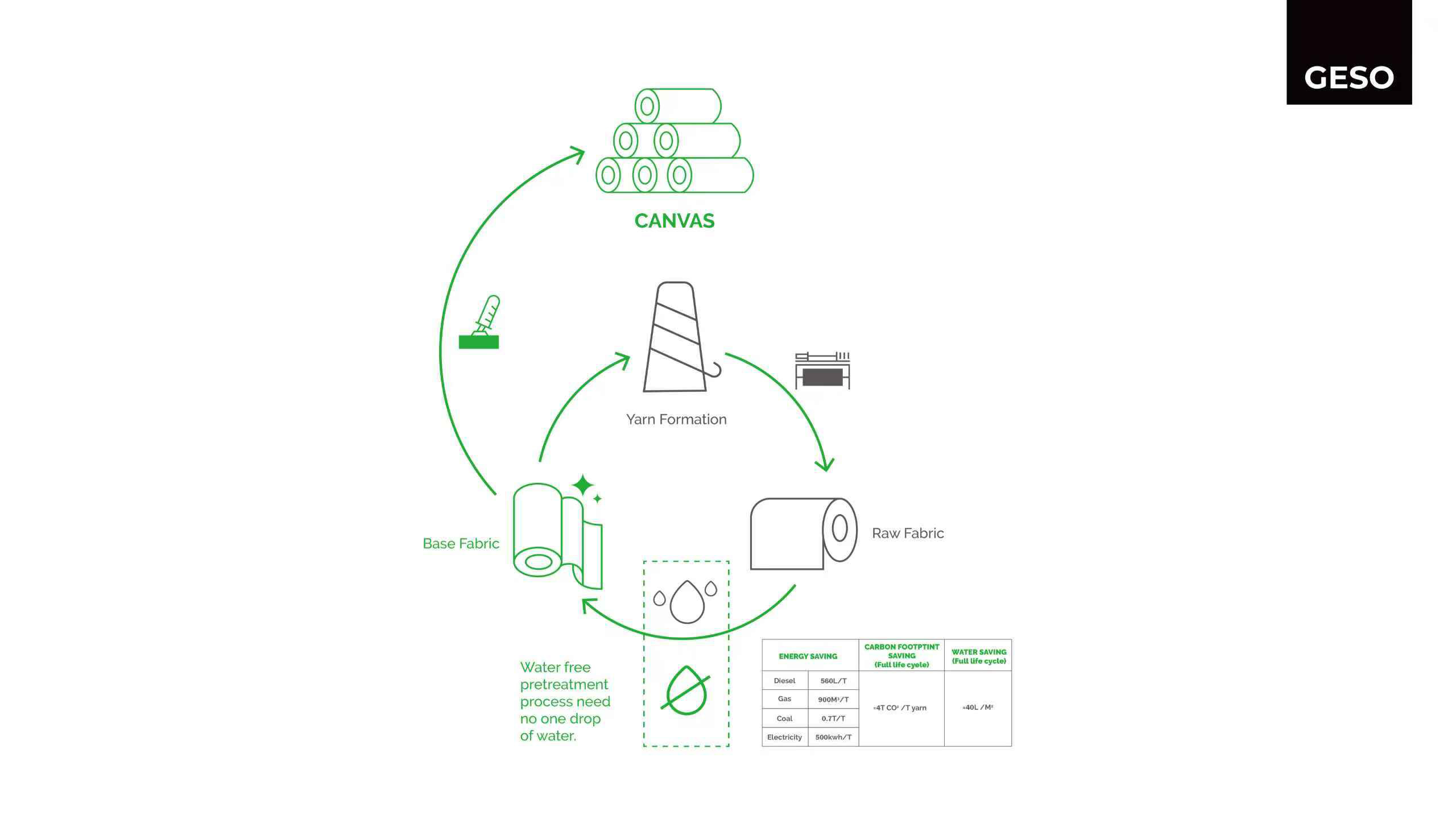
Non-PVC wallpapers shine brightest in sustainability. Free from PVC, they eliminate risks associated with plasticizers and chlorine, offering low-VOC emissions, no PFAS (per- and polyfluoroalkyl substances), and chemical-free compositions. Many are derived from recycled polyester or FSC-certified pulp, reducing deforestation and supporting circular economies. Biodegradability is a key advantage—paper-based options decompose naturally, while fabric options are composed of recycled yarn and they even use water-free pretreatment(does not need a single drop of water while washing, bleaching, dying and fixation), substantially reducing landfill waste compared to synthetics. Industry analyses indicate that Non-PVC substrates significantly lower the ecological footprint through water-based inks and solvent-free production. For commercial entities pursuing net-zero goals, Non-PVC aligns with global regulations, enhancing brand reputation and attracting eco-aware clients.
Performance Effects: Matching Durability with Innovation
Contrary to outdated perceptions, Non-PVC wallpapers now rival PVC in performance for commercial use. Non-woven fabrics provide high opacity and dimensional stability, resisting shrinkage in fluctuating temperatures. Durability has improved with protective coatings, offering scratch and fade resistance suitable for moderate-traffic areas like offices or retail displays, with lifespans of 5-8 years. Breathability prevents moisture buildup, reducing mold in humid commercial spaces. Digital printing compatibility ensures sharp, customizable designs, with wide widths (up to 3.2 meters) enabling seamless installations. Peel-and-stick or hydrogel adhesives facilitate quick renovations—installation times are 30-50% faster than pasted PVC—making them replacement-friendly and avoid large surface damage. While less waterproof than PVC, advancements like hydrophobic coatings make Non-PVC viable for semi-moist environments.
Cost-Effectiveness: Value Through Efficiency and Longevity
Non-PVC options are increasingly cost-competitive. Starting at paper-based variants, they are cheaper than PVC wallpapers and appeal to budget-sensitive projects. Lightweight construction slashes shipping costs, and efficient printing widths reduce material waste. DIY-friendly installation (Peel & Stick and Hydrogel) eliminates professional fees, potentially saving on labor compared to traditional wallpapers. Though premium sustainable formulations may cost a bit more upfront, long-term savings accrue from durability and reusability—panels can be repositioned for seasonal updates in retail settings. In commercial contexts, tax incentives for green materials further enhance ROI, making Non-PVC a strategic investment amid rising energy and disposal costs.
Comparative Analysis: PVC vs. Non-PVC in Commercial Contexts
To cut to the theme: Can Non-PVC wallcoverings serve as a viable option in commercial scenarios? A side-by-side comparison reveals that yes, they are not only suitable but often preferable in today’s market.
Sustainability Showdown
PVC lags in pure environmental metrics, with its production contributing to higher carbon emissions and chemical pollution. Non-PVC, however, leads with biodegradable, recyclable profiles and lower VOCs, aligning with upcoming trends where a significant proportion of commercial projects demand sustainable materials. For businesses facing regulatory pressures, Non-PVC reduces compliance risks and boosts ESG scores.
Performance Effects: Tailored Strengths
In terms of performance, PVC wallpapers excel in extreme durability, particularly in high-traffic or humid settings, making them a go-to for demanding environments. However, Non-PVC alternatives hold their own by offering equivalent or superior breathability, which helps prevent mold and improves indoor air quality, alongside comparable ease of installation that reduces labor time and costs. Both types support high-quality digital printing for vivid designs, but Non-PVC’s greater flexibility and adaptability shine in commercial contexts, such as temporary retail spaces or modular office layouts, positioning it as a strong, viable option without compromising on overall functionality.
Cost-Effectiveness: Evolving Parity
PVC wallpapers typically offer a more affordable upfront investment, making them appealing for budget-conscious projects where initial expenses are a primary concern. However, Non-PVC alternatives often prove more economical over the long term due to their superior durability, reduced maintenance needs, and enhanced material quality, which can minimize replacement frequency and associated labor costs. While PVC may require more frequent upkeep in certain environments, Non-PVC options align better with sustainable practices, potentially yielding savings through lower environmental impact fees and improved energy efficiency in installations. Overall, Non-PVC wallpapers deliver comparable or superior value, especially for commercial applications prioritizing longevity and total ownership costs without compromising performance.
Challenges and Considerations for Non-PVC Adoption
While promising, Non-PVC isn’t without hurdles. In ultra-high-traffic zones, it may require reinforcements for longevity matching PVC. Small-batch production can elevate costs for custom prints, and availability varies by region. Commercial users should assess specific needs: For moisture-heavy areas, hybrid Non-PVC with coatings; for budgets, entry-level paper options.
Conclusion: Non-PVC as a Commercial-Grade Contender
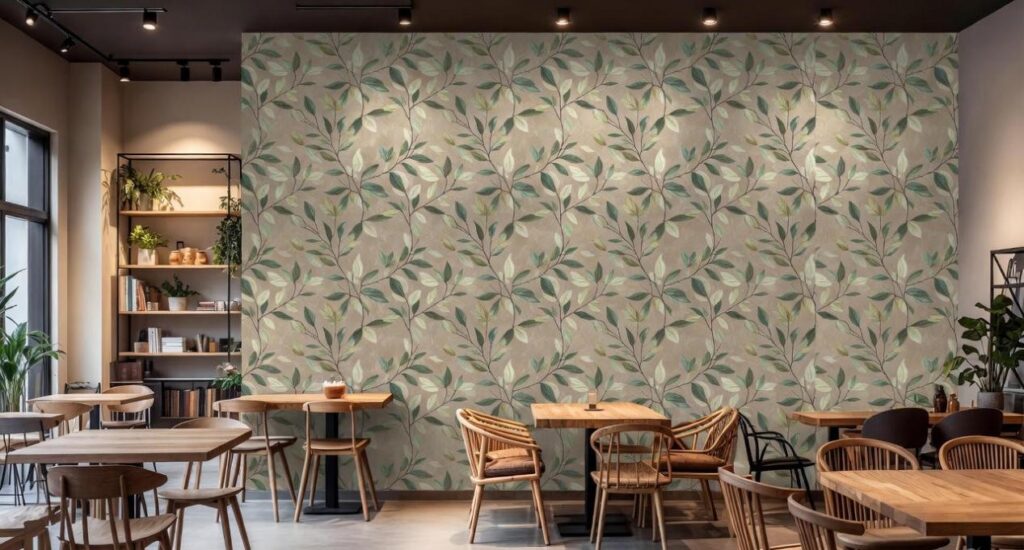
In 2025, Non-PVC wallpaper is unequivocally ready for commercial-grade applications, emerging as a robust alternative to PVC. Its superior sustainability, competitive performance, and cost-effectiveness make it a strategic choice for forward-thinking projects. As market forecasts indicate, the shift toward eco-materials is irreversible—embracing Non-PVC not only meets current demands but future-proofs commercial spaces. For designers and facility managers, the question isn’t if Non-PVC is viable; it’s how to integrate it for maximum impact. Explore our GESO Non-PVC lines, like Walltex series, to see these benefits in action.