


How to Select the Perfect Wallcovering Material for Your Print-On-Demand Business?
Blogs 2025-10-23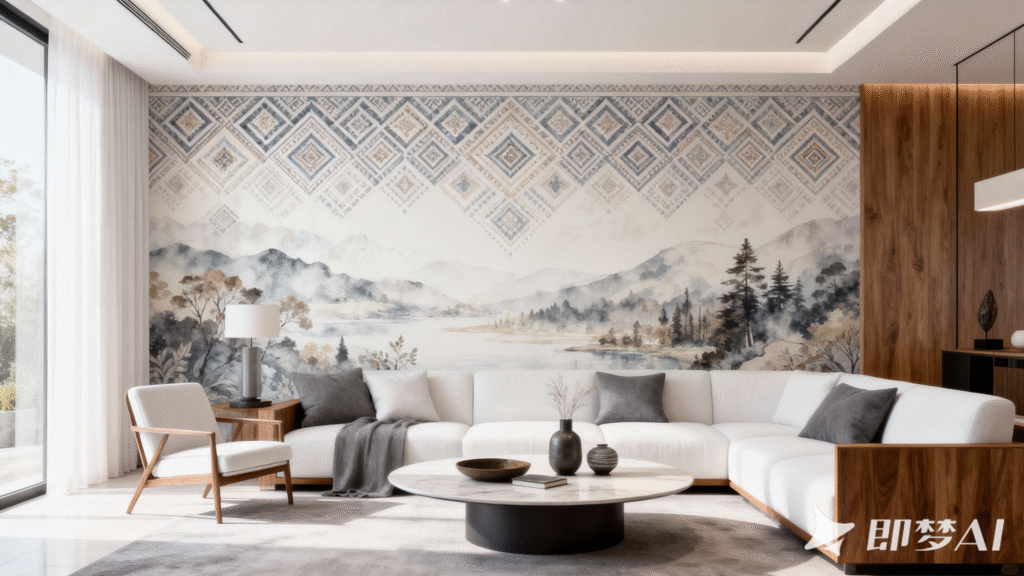
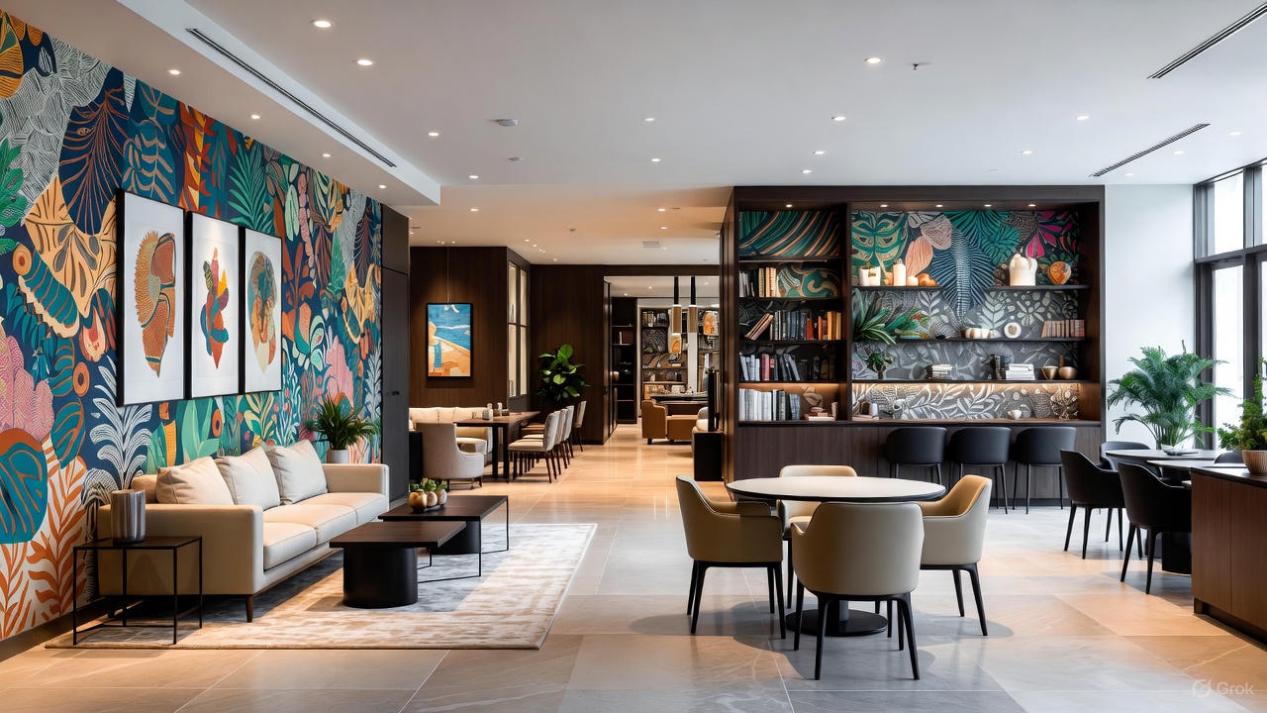
The rise of print-on-demand (POD) has revolutionized the wallcovering industry. It allows designers and entrepreneurs to offer limitless customization without holding inventory. But with great opportunity comes a critical question: Which wallcovering material is the perfect for your clients’ dreams? Whether you’re catering to residential clients, commercial spaces, or hospitality projects, selecting the right wallcovering material is crucial for ensuring vibrant digital prints, durability, and customer satisfaction. This guide draws on expertise from the wallcovering and digital printing industries to help you make informed decisions, optimizing your POD operations for success.
Key Factors to Consider When Choosing Wallcovering Materials
Before diving into specific materials, it’s essential to evaluate several core factors that influence your choice. These considerations ensure your selected material aligns with digital printing technologies like UV or latex inks, while meeting practical business needs.
1. Printability and Compatibility with Digital Printing
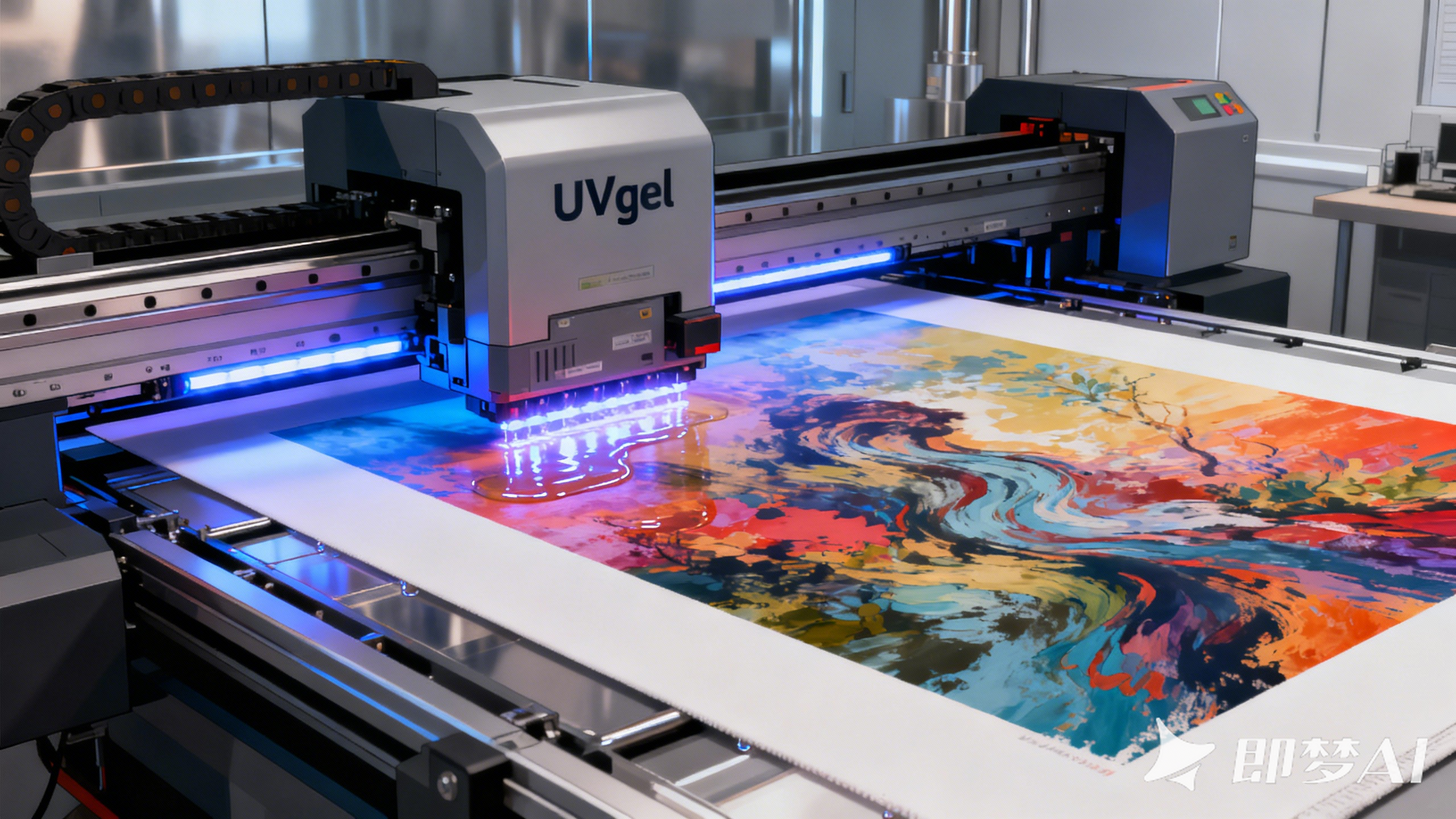
The material must support high-resolution digital printing without issues like ink bleeding or poor adhesion. Look for substrates pre-coated for ink absorption, ensuring sharp, vibrant colors. For optimal results, ensure compatibility with common digital inks such as solvent, eco-solvent, latex, UV-curable, or UVgel technologies, which provide precise dot placement and deep saturation for intricate designs. Pre-coated non-PVC options can enhance ink holdout, preventing wicking and allowing for resolutions up to 1200 dpi. In POD, testing for color gamut and drying times is key, as incompatible materials may lead to cracking or fading over time. Industry standards recommend substrates optimized for wide-format printers to minimize production downtime.
2. Durability and Longevity
Wallcoverings in high-traffic areas need to withstand scratch, fading, and cleaning. Commercial-grade options, such as vinyl wallcovering, offer superior scratch resistance and Washability, making them suitable for hotels, offices, and retail environments. Commercial grade wallcovering types are classified as Type I (light-duty, for low-traffic), Type II (medium-duty, for moderate wear), and Type III (heavy-duty, for extreme conditions with impact resistance). These can last 5 years or more with proper installation, resisting UV fading, moisture, and abrasions. Factors like antimicrobial coatings or reinforced backings further extend lifespan in humid or high-use settings, but always balance with cost—evidence shows durable materials reduce replacement needs by 50% in commercial spaces.
3. Ease of Installation
User-friendly products fuel POD success. With options like Hydrogel Wallcovering (spray-and-stick) and GECKO Walltex (peel-and-stick), application is straightforward for DIY users—simply activate the adhesive with water spray and apply using basic tools like a squeegee. In contrast, traditional non-pasted materials often demand professional help, and installation process requires more tools. DIY users may struggle when mixing adhesive and room becomes messy after installation.
4. Environmental Impact and Sustainability
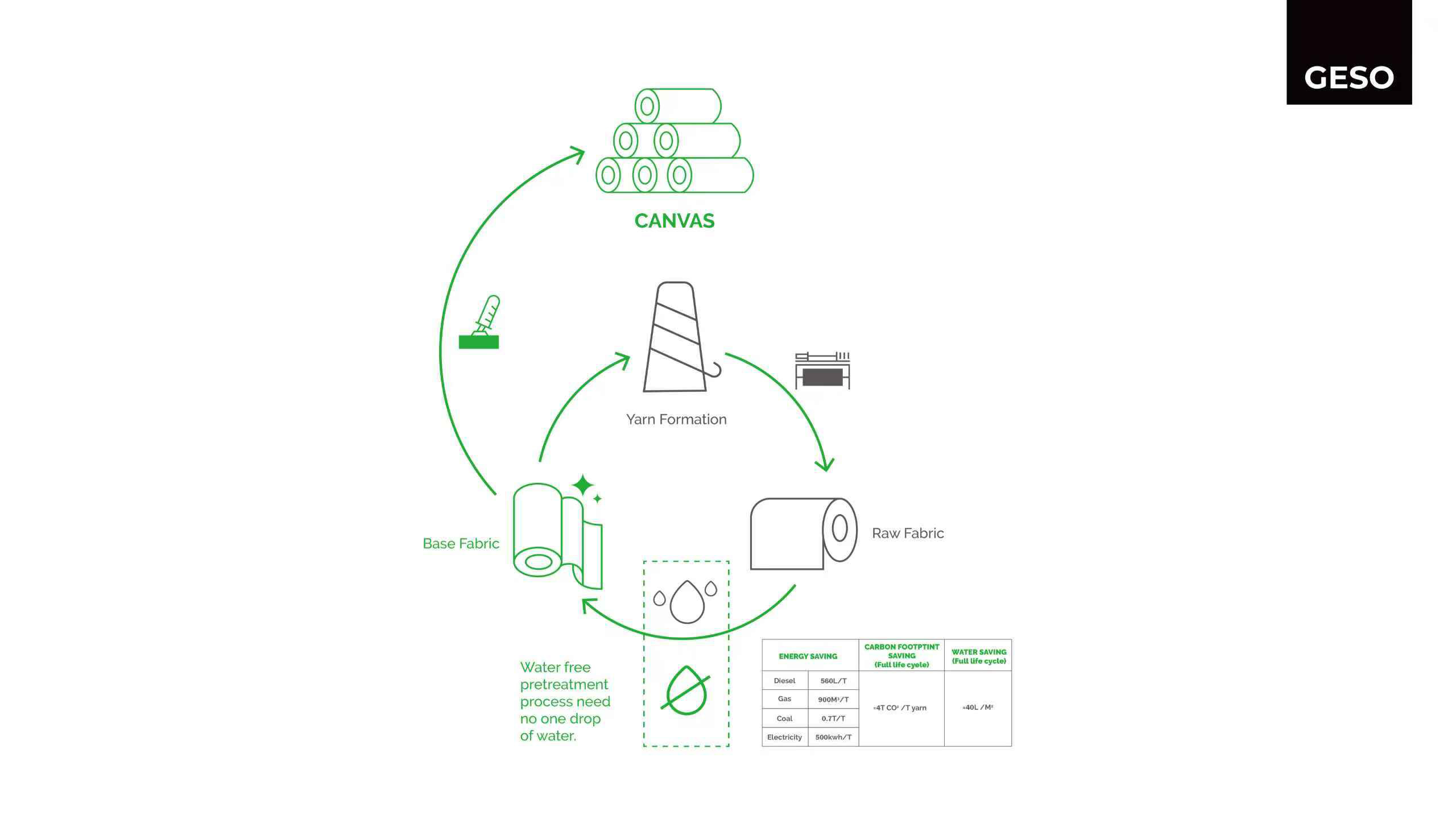
With growing demand for eco-friendly products, prioritize materials with low VOCs, recyclable components, or certifications like REACH, GRS, CE, FSC (for responsibly sourced fibers). Polyester fabrics often score high here, reducing environmental footprint without compromising quality—PVC-free alternatives minimize outgassing and support indoor air quality via Greenguard Gold certification. Sustainable choices like recycled polyester or water-based inks can appeal to eco-conscious clients, potentially lowering lifecycle emissions.
5. Aesthetic Options and Customization
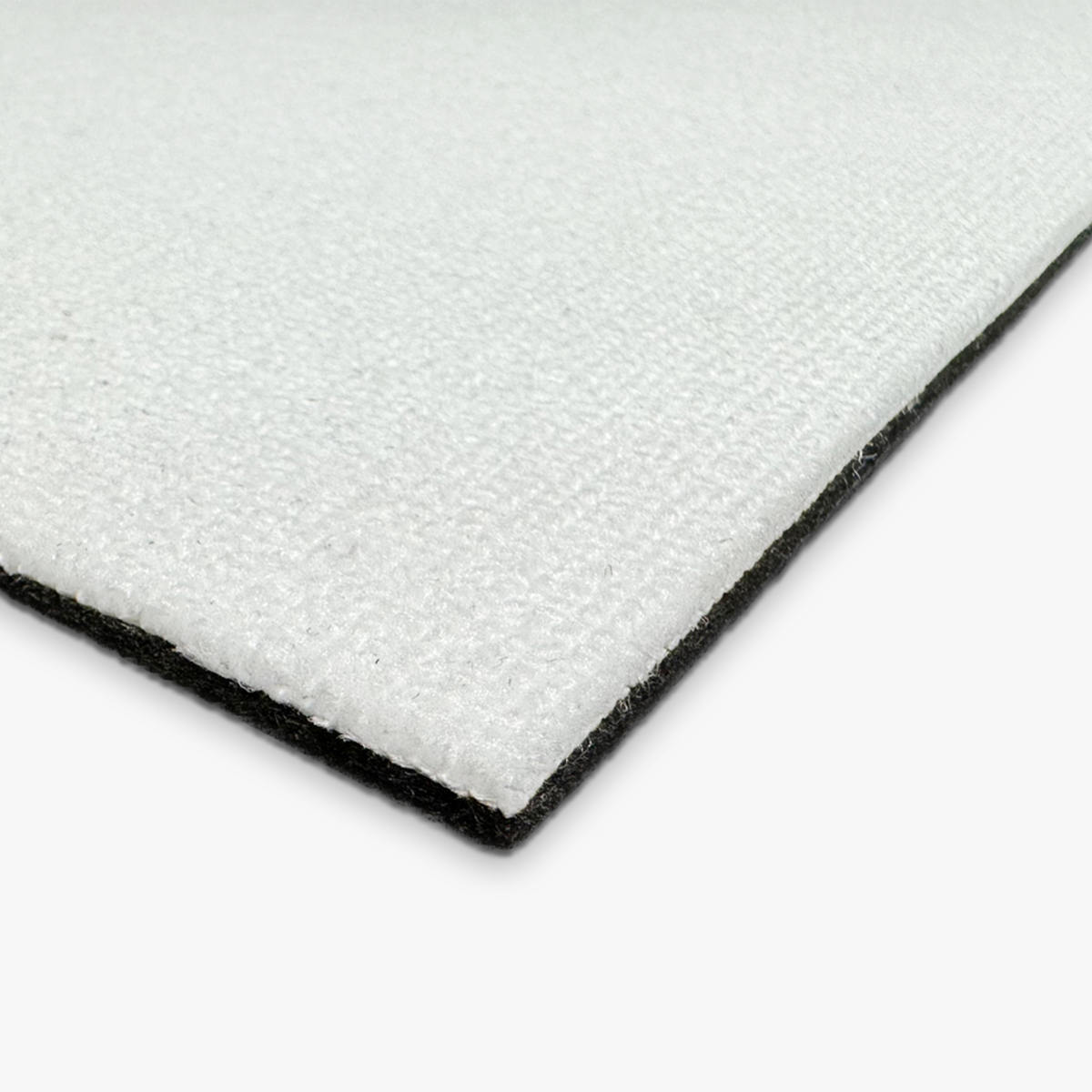
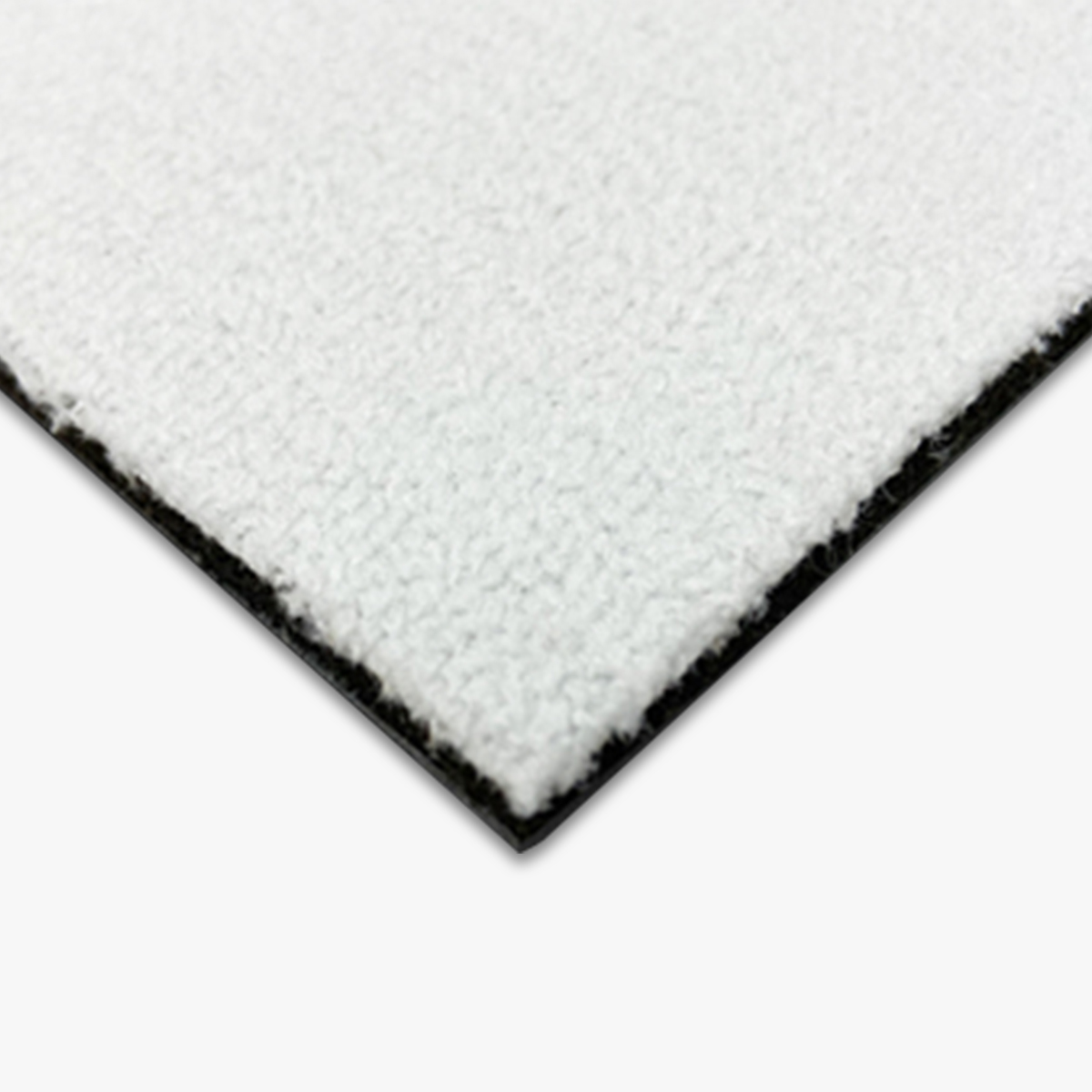
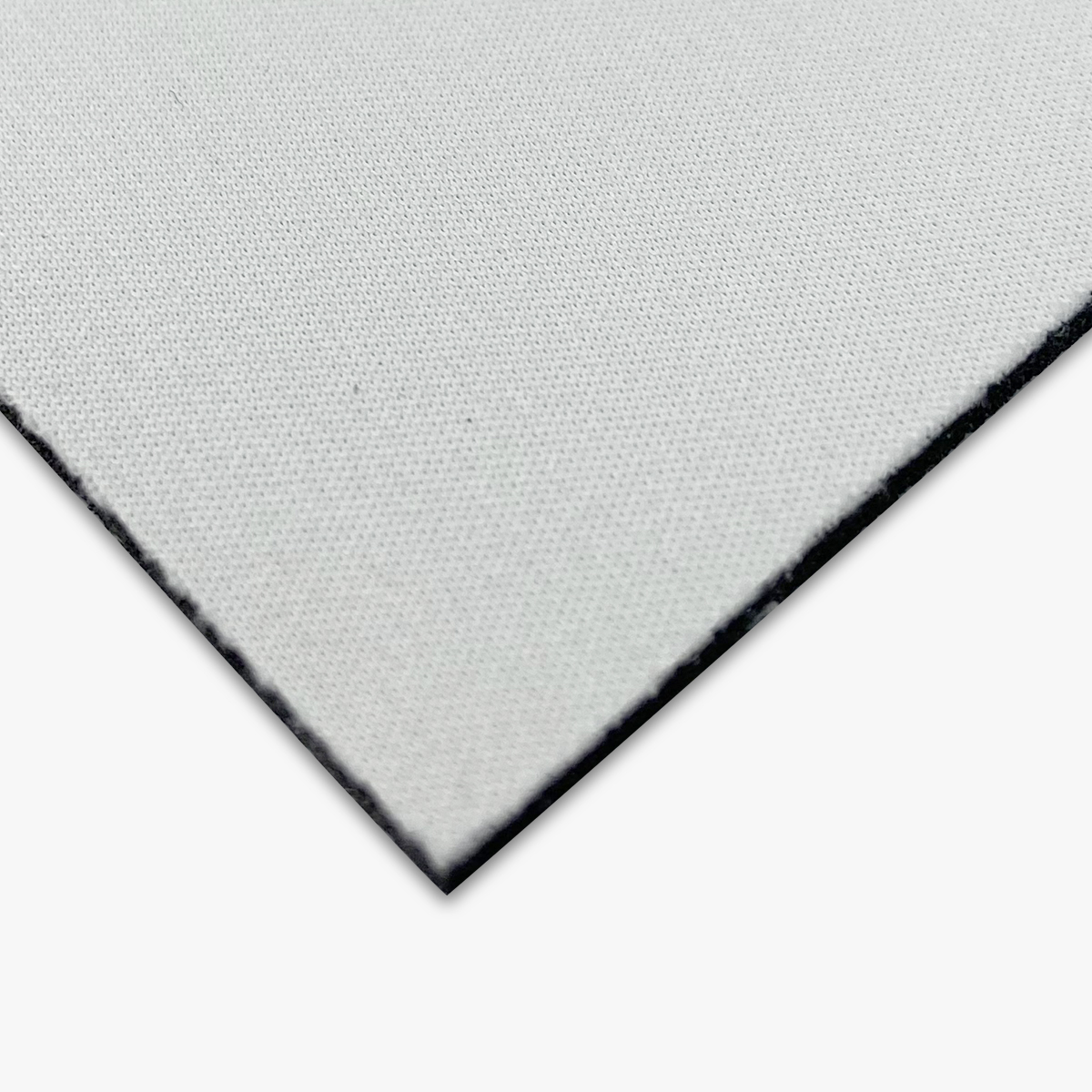
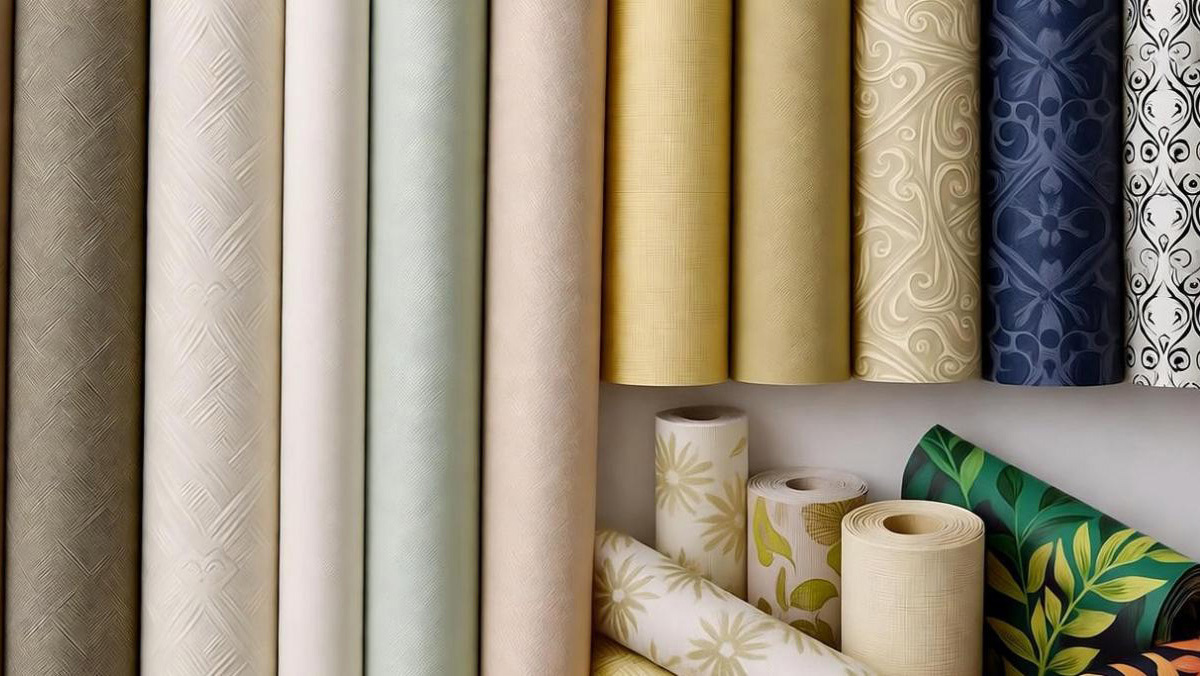
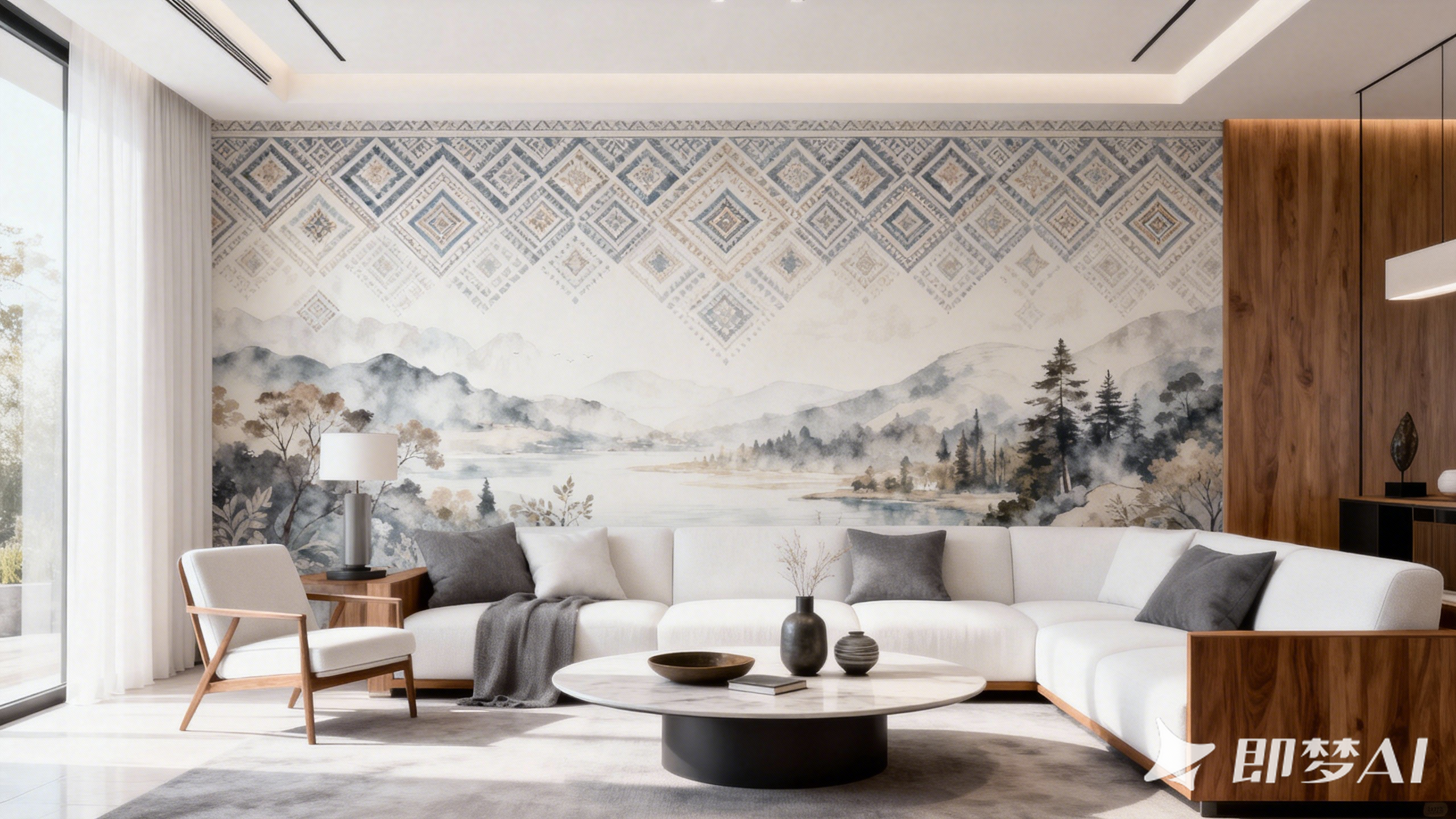
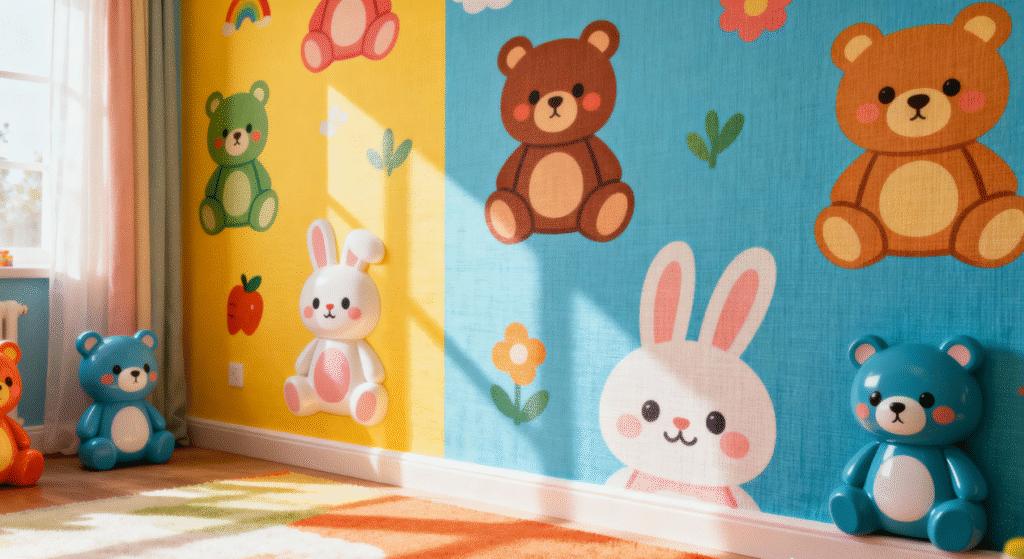
Textures (e.g., suede, canvas) and finishes (matte, gloss) enhance visual appeal. Materials that allow for custom designs, patterns, or even metallic effects can differentiate your POD offerings. Options include embossed patterns for 3D depth, faux finishes mimicking wood or stone, or acoustic-absorbing textures for sound control. Glossy finishes boost vibrancy in digital prints, while matte reduces glare; metallic inks add luxury for hospitality. Customization via digital tools enables infinite patterns, but test for texture-ink interaction to avoid dulling—trends lean toward tactile elements like Venetian plaster effects for premium appeal.
Practical Tips for Selecting and Implementing Wallcovering Materials in Your POD Business
To streamline your decision-making:
- Assess Your Target Audience: Residential customers may prefer hydrogel wallcovering or peel-and-stick for ease, while commercial clients need fire-rated, durable vinyl.
- Test Samples Thoroughly: Always print test runs on potential materials to evaluate color saturation, resolution and adhesion.
- Prioritize Certifications: Ensure materials meet standards like EN13591 for fire safety, REACH for customer safety, and émission dans l’air intérieur for indoor air quality to appeal to regulated markets.
- Monitor Industry Trends: Stay ahead by exploring innovations like antimicrobial coatings or sustainable blends, as featured in Momentum Textiles’ digital collections.
- Partner with Reliable Suppliers: Collaborate with POD platforms like Contrado for high-opacity, premium wallpapers that enhance your product line.
Conclusion
Mastering wallcovering materials in your print-on-demand business unlocks innovation, quality, and profits. Focus on print compatibility, durability, easy installation, sustainability, cost savings, and aesthetics to delight clients from homes to high-end spaces. Opt for vinyl, non-woven, or eco-fabrics to differentiate. Act now: test samples, optimize your range, and elevate designs that transform walls and grow your venture. Check our series for more on digital trends.